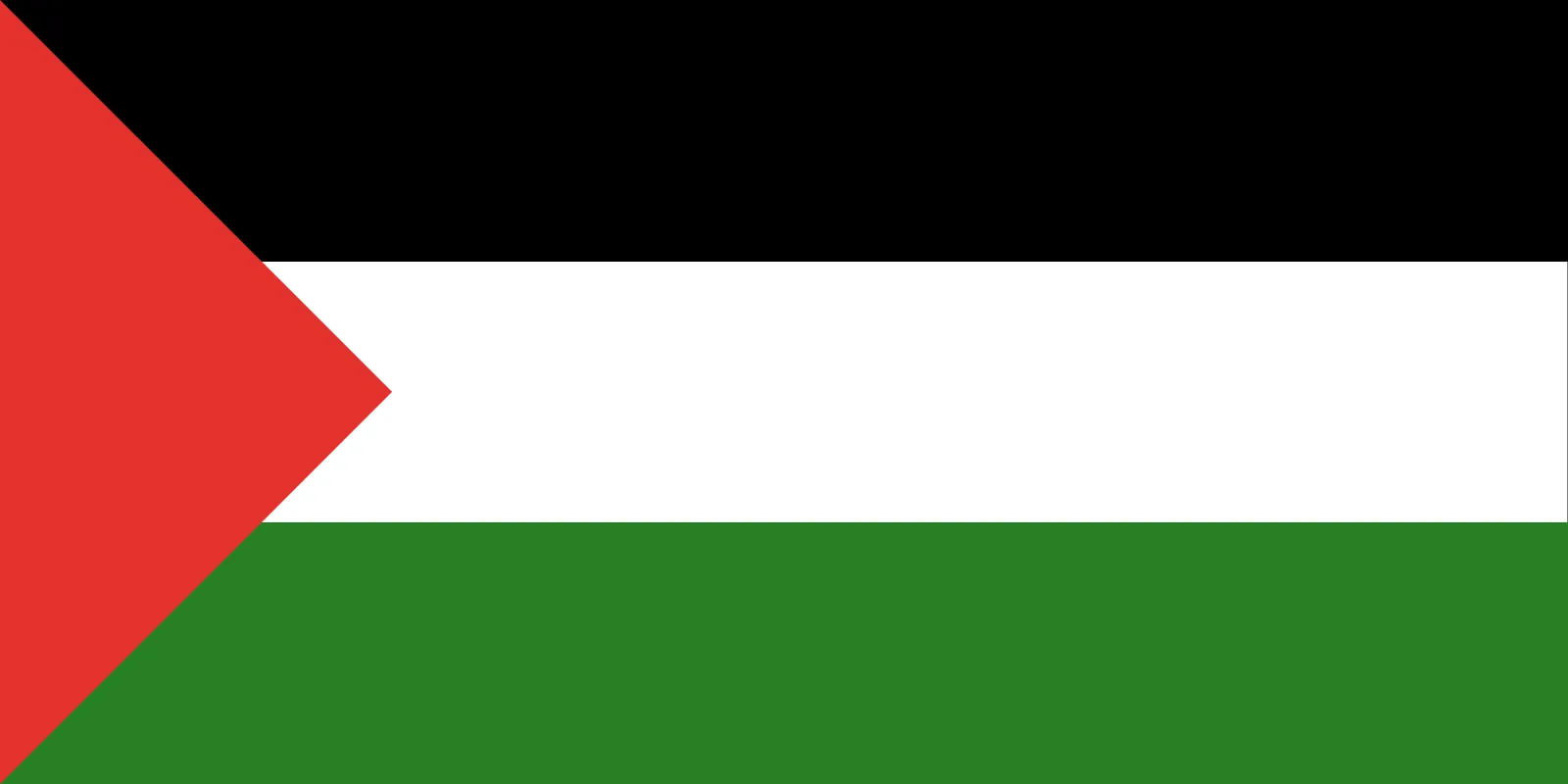
+++ Y2K Bug: World systems remain stable as the new millennium begins +++
Boris Yeltsin resigns as Russian President, names Vladimir Putin as acting leader +++
Panama Canal officially transferred to Panamanian control after 85 years +++
Global markets to reopen Monday after millennium transition +++
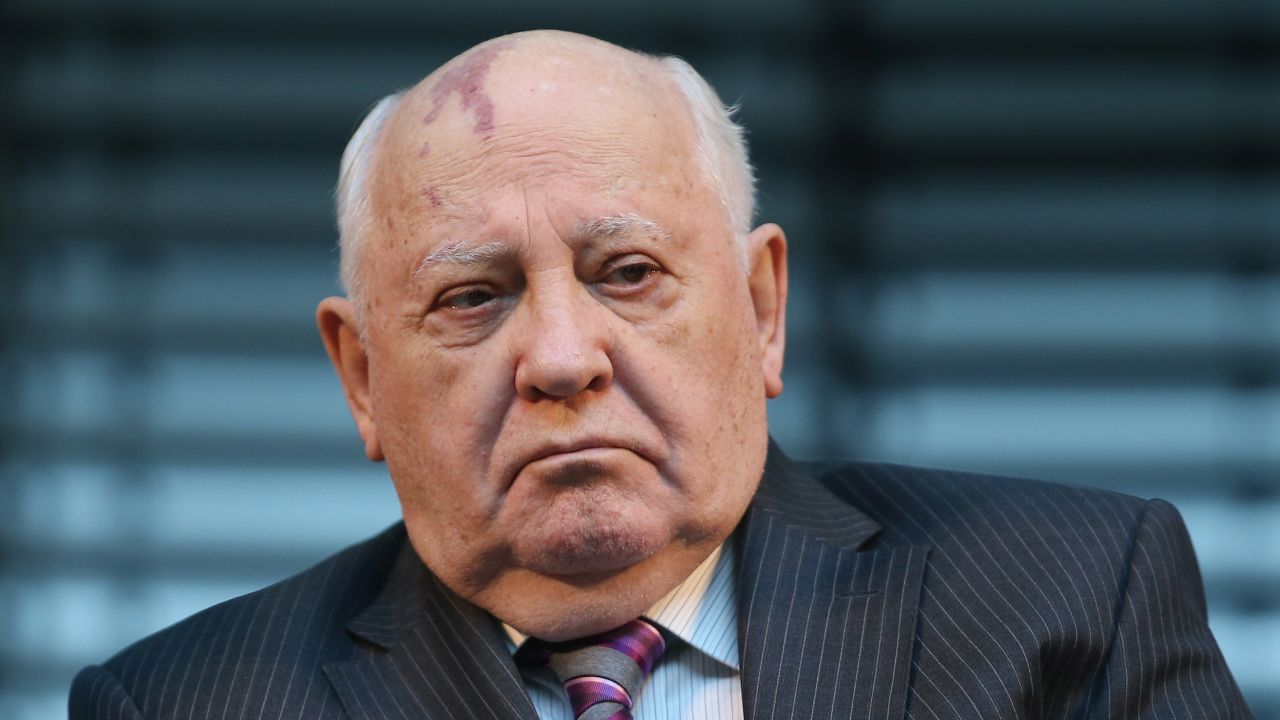
The Return of Gorbachev and Russian Political Deadlock
Following a highly contested election marked by allegations of fraud in Russia's ethnic republics, Mikhail Gorbachev secured the presidency with 51% of the vote. This narrow victory for the CPRF candidate signaled a significant shift from the Yeltsin era.
However, the administration immediately faced a legislative crisis when the State Duma rejected Gorbachev's initial choice for Prime Minister, Gennady Zyuganov.
To break the stalemate, a dark horse candidate, Yevgeny Primakov, was nominated and confirmed as Prime Minister.
By BNN LONDON BUREAU | December 24, 2001
FULL COVERAGE →
🌟 MILLENNIUM EDITION - BNN: Connecting the World Since 1985 🌟
The World Welcomes Year 2000: Global Celebrations Mark New Millennium
By BNN INTERNATIONAL DESK | January 1, 2000 12:00 GMT
In an unprecedented wave of celebration spanning every time zone, billions of people around the world have welcomed the year 2000 with spectacular festivities, fireworks, and a collective sigh of relief as feared Y2K computer failures failed to materialize.
The celebrations began in the Pacific islands of Kiribati, where residents of Caroline Island became the first humans to witness the sunrise of the new millennium at 5:43 AM local time. From there, the party swept westward across Asia, through Europe, Africa, and finally to the Americas, creating a continuous 26-hour global celebration.
Sydney's Harbour Bridge became the centerpiece of one of the world's largest fireworks displays, watched by an estimated two million people lining the harbor. The $25 million pyrotechnic show featured the word "ETERNITY" blazing across the bridge - a tribute to a famous piece of Sydney graffiti. In Paris, the Eiffel Tower was transformed into a glittering beacon, with 20,000 flashing lights installed for the occasion, while a massive digital countdown clock ticked away the final seconds of 1999.
In London, Queen Elizabeth II joined Prime Minister Tony Blair at the troubled Millennium Dome in Greenwich, which opened its doors despite ongoing construction issues and budget overruns that had plagued the £789 million project. Across the Atlantic, New York's Times Square saw an estimated two million revelers brave near-freezing temperatures to gather for the traditional ball drop, with security at unprecedented levels following millennium-related terrorism concerns.
Beijing unveiled a massive celebration at the Great Wall, while in Egypt, a $1 million concert was held at the base of the Pyramids of Giza featuring Jean-Michel Jarre. Rio de Janeiro's Copacabana Beach hosted three million partygoers for the world's largest beach party, with fireworks launched from boats in the harbor.
Perhaps most remarkably, the Y2K computer bug that had prompted years of preparation and an estimated $300-600 billion in remediation efforts worldwide caused only minor disruptions. A few slot machines in Delaware failed, some websites displayed incorrect dates, a tide gauge in Australia temporarily malfunctioned, and seven nuclear power plants in Japan experienced minor glitches - but the apocalyptic scenarios predicted by some experts did not come to pass.
World leaders exchanged messages of hope and unity. UN Secretary-General Kofi Annan called on humanity to "turn a new page" and work together to address poverty, disease, and conflict in the coming century. Pope John Paul II opened the Holy Door at St. Peter's Basilica to mark the Jubilee Year, while in Jerusalem, thousands gathered at the Western Wall for prayers.
In a stunning New Year's Eve announcement that shocked Russia and the world, President Boris Yeltsin resigned from office and named Prime Minister Vladimir Putin as acting president of the Russian Federation, effective immediately at noon Moscow time.
"I want to beg forgiveness for your dreams that never came true. And also I would like to beg forgiveness not to have justified your hopes," Yeltsin said in an emotional 10-minute televised address, his voice breaking at several points. "I believed we could jump from the gray, stagnant totalitarian past to the bright, prosperous, civilized future in one leap. I was wrong."
The 68-year-old Yeltsin, who had led Russia through its tumultuous transition from communism since 1991, cited health reasons and the need for fresh leadership as factors in his decision. He has suffered multiple heart attacks during his presidency, underwent coronary bypass surgery in 1996, and has been dogged by persistent rumors of alcoholism and erratic behavior.
Putin, a 47-year-old former KGB intelligence officer who served in East Germany during the Cold War, immediately assumed presidential powers and was shown on Russian television being handed the briefcase containing Russia's nuclear launch codes. One of his first acts was to sign a decree granting Yeltsin immunity from prosecution - a significant gesture given ongoing corruption investigations involving the Yeltsin administration.
The relatively unknown Putin was only appointed Prime Minister in August 1999, the fifth person to hold that position in 18 months. However, his tough stance on Chechnya and his image as a sober, disciplined leader have sent his approval ratings soaring to over 45%, making him the frontrunner in the presidential election now scheduled for March 26, 2000 - three months earlier than originally planned.
Western leaders expressed measured responses to the transition. President Bill Clinton telephoned Putin to congratulate him and express hope for continued cooperation. British Prime Minister Tony Blair called for "stability and reform" while German Chancellor Gerhard Schröder emphasized the importance of maintaining democratic progress.
The resignation marks the end of an era that saw Russia emerge from Soviet communism, survive a constitutional crisis in 1993, privatize state industries amid allegations of massive corruption, and experience severe economic turbulence including the 1998 financial crisis that wiped out the savings of millions of Russians.
Panama Canal Returned After 85 Years of U.S. Control
By BNN Americas Desk | December 31, 1999
At noon on December 31st, 1999, the United States officially transferred control of the Panama Canal to the Republic of Panama, ending 85 years of American administration of one of the world's most strategic waterways in a ceremony attended by dignitaries from around the world.
Panamanian President Mireya Moscoso presided over the historic handover at the Miraflores Locks, fulfilling the terms of the 1977 Torrijos-Carter Treaties signed by Panamanian military leader Omar Torrijos and U.S. President Jimmy Carter. Former President Carter attended the ceremony, calling it "a great day for Panama and a proud day for the United States."
"The canal is ours!" declared President Moscoso as thousands of Panamanians waved flags and celebrated in the streets of Panama City. "This is the culmination of a struggle that began with our independence. Today we assume full responsibility for our destiny."
The 50-mile waterway, one of the greatest engineering achievements of the 20th century, connects the Atlantic and Pacific Oceans and handles approximately 14,000 ships carrying 200 million tons of cargo annually. The canal saves vessels a 7,800-mile journey around Cape Horn and remains vital to global commerce, particularly trade between Asia and the U.S. East Coast.
The United States built the canal between 1904 and 1914, following Panama's independence from Colombia - a separation that was itself facilitated by American military intervention. Construction claimed an estimated 5,600 lives, many from yellow fever and malaria. The U.S. operated the Canal Zone as sovereign territory, maintaining military bases and housing generations of American workers in a community that became known as "Zonians."
The 1977 treaties, which were narrowly ratified by the U.S. Senate by a single vote, sparked intense controversy in America. Critics including then-Governor Ronald Reagan argued the U.S. was "giving away" a vital strategic asset. Republican senators had attempted to block the handover as recently as last month.
The newly created Panama Canal Authority, led by administrator Alberto Alemán Zubieta, will now operate the waterway as an autonomous agency. Panama expects to earn approximately $500 million annually in canal revenues, a significant boost to the nation's $9 billion economy. Plans are already underway to study a possible expansion to accommodate larger "post-Panamax" container ships.
As the clock struck midnight across the world's time zones, the much-feared Y2K computer bug proved to be far less catastrophic than many had predicted, leaving some to question whether the estimated $300-600 billion spent globally on preparations was necessary - or whether that massive investment was precisely why disaster was averted.
The "millennium bug" stemmed from a cost-saving practice dating back to the 1960s, when computer programmers stored years using only two digits to save precious memory space. The fear was that systems would interpret "00" as 1900 rather than 2000, potentially causing widespread failures in everything from banking systems to power grids, air traffic control to hospital equipment.
Doomsday predictions had ranged from temporary inconveniences to complete societal collapse. Some survivalists had stockpiled food, water, and weapons, while financial advisors reported clients withdrawing savings in cash. The Federal Reserve printed an extra $50 billion in currency to handle anticipated bank runs that never materialized.
Instead, the transition to 2000 produced only scattered minor glitches: 150 slot machines at Delaware racetracks malfunctioned, the U.S. Naval Observatory's website briefly displayed the date as January 1, 19100, a tide gauge in Australia temporarily failed, Japan's Osaka radiation monitoring system crashed briefly, and some credit card transactions were declined. In South Korea, District heating systems failed in some apartment buildings.
Government and industry officials credit years of intensive preparation for the smooth transition. "This is exactly what we hoped would happen," said John Koskinen, chair of the U.S. President's Council on Year 2000 Conversion, who had coordinated the nation's response from a $50 million command center. Companies had tested billions of lines of code, replaced outdated systems, and conducted countless simulations.
The U.S. government alone spent approximately $8.5 billion on Y2K remediation, while private industry invested far more. Major corporations like Citibank reported spending over $900 million, and General Motors allocated $500 million to ensure its factories would continue operating.
However, critics argue the threat was exaggerated by consultants and technology companies who profited handsomely from Y2K remediation efforts. Countries like Italy, which spent comparatively little on preparations, experienced no more problems than nations that spent billions. The debate over whether Y2K was a genuine crisis averted through diligent preparation or an overblown scare exploited by the tech industry is likely to continue for years.
"We'll never know what would have happened if we hadn't fixed the problem," acknowledged Koskinen. "But I'd rather be explaining why nothing happened than explaining why planes fell out of the sky."
Russian military forces continued their devastating advance on the Chechen capital of Grozny today, with heavy artillery, rocket launchers, and airstrikes pounding rebel positions around the clock as the second Chechen war enters what commanders describe as its decisive phase.
An estimated 40,000 Russian troops have now encircled the city, which has been under siege since mid-December. Military officials claim to control several key neighborhoods, but Chechen fighters continue to mount fierce resistance from fortified positions throughout the urban center, which has been reduced to rubble reminiscent of World War II-era Stalingrad.
Tens of thousands of civilians have fled the city through designated "humanitarian corridors," though refugees report that these routes are frequently shelled. The United Nations estimates that over 215,000 people have been displaced by the conflict since September, with many crowded into camps in neighboring Ingushetia where conditions are described as desperate. An estimated 15,000-40,000 civilians remain trapped in Grozny's basements, lacking food, water, and medical supplies.
Acting President Vladimir Putin has vowed to "annihilate the bandits in their lairs," blaming Chechen rebels for a series of apartment bombings in Moscow, Buynaksk, and Volgodonsk that killed 293 people in September. The attacks, which struck residential buildings while families slept, galvanized Russian public opinion in favor of military action.
International human rights organizations including Human Rights Watch and Amnesty International have sharply criticized the Russian campaign, documenting reports of indiscriminate bombing, extrajudicial killings of civilians, and the use of banned cluster munitions. The Russian government dismisses these reports as rebel propaganda, maintaining it is conducting a targeted anti-terrorist operation against Islamic extremists.
The Organization for Security and Cooperation in Europe (OSCE) has called for a political solution, while the U.S. State Department has expressed "deep concern" about civilian casualties. However, Western criticism has been muted compared to the first Chechen war (1994-1996), reflecting concerns about Russia's strategic importance and Putin's increasing control over Russian media coverage of the conflict.
Despite mounting Russian casualties - officially acknowledged at around 500 dead but believed by independent analysts to be significantly higher - the conflict has transformed Putin's political fortunes. His approval ratings have soared from single digits in August to over 45% today, making him the overwhelming favorite in March's presidential election.
In a historic diplomatic breakthrough, Israeli Prime Minister Ehud Barak and Syrian Foreign Minister Farouk al-Sharaa have resumed peace negotiations in Washington, marking the first high-level talks between the two nations in nearly four years and raising hopes for a comprehensive Middle East peace settlement.
The negotiations, hosted by President Bill Clinton at the White House on December 15-16, focus primarily on the future of the Golan Heights, the strategic 460-square-mile plateau captured by Israel from Syria during the 1967 Six-Day War. Approximately 17,000 Israeli settlers now live in the territory, alongside 20,000 Druze residents who have mostly rejected Israeli citizenship.
Barak, a highly decorated former general who was elected in May on a platform promising peace with Israel's neighbors, has signaled willingness to withdraw from most or all of the Golan in exchange for full peace, diplomatic recognition, and normalized relations with Syria. Such a move would be deeply controversial in Israel, where polls show the public evenly divided on territorial concessions.
Syria's 89-year-old President Hafez al-Assad, who lost the Golan during his tenure as Defense Minister in 1967, has made its recovery a centerpiece of his legacy. Damascus demands a complete Israeli withdrawal to the lines of June 4, 1967 - a boundary that would give Syria access to the northeastern shore of the Sea of Galilee, Israel's primary freshwater reservoir.
The Israelis have countered with proposals based on the international border drawn in 1923, which would keep Syria several hundred meters from the lake. Water rights, early warning stations, and the pace of any withdrawal remain key sticking points. Israel is also seeking security guarantees and limitations on Syrian military deployments.
The talks represent the best opportunity for Israeli-Syrian peace since negotiations broke down in 1996 following a wave of suicide bombings in Israel. A peace agreement with Syria could also pave the way for Israeli withdrawal from southern Lebanon, where the Iran-backed Hezbollah militia has waged an 18-year guerrilla campaign against Israeli occupation forces.
President Clinton has made Middle East peace a top priority in his final year in office, hoping to cement a legacy that could include comprehensive Arab-Israeli peace. Secretary of State Madeleine Albright has been intimately involved in the preparations, and administration officials express cautious optimism about the prospects for a framework agreement in the coming months.
Further talks are scheduled to resume in early January at a neutral location, with both sides agreeing to maintain a news blackout on the substance of negotiations.
Macau Returns to China After 442 Years of Portuguese Rule
By BNN Asia Bureau | December 20, 1999
The last European colony in Asia returned to Chinese sovereignty at midnight on December 20th as Portugal formally handed over Macau after 442 years of continuous administration, marking the definitive end of Europe's colonial presence on the Asian continent.
Chinese President Jiang Zemin presided over elaborate ceremonies at the purpose-built Macau Cultural Centre, watching as the Portuguese flag was lowered for the final time and the red banner of the People's Republic rose over the tiny 11-square-mile enclave on China's southern coast. "The return of Macau to the motherland," Jiang declared, "is a great event in the history of the Chinese nation."
Portuguese President Jorge Sampaio and Prime Minister Antonio Guterres led their nation's delegation at the handover, which was marked by military parades, fireworks, and cultural performances despite steady rain that soaked the assembled dignitaries. Sampaio acknowledged Portugal's complex colonial legacy while expressing confidence in Macau's future.
Macau becomes a Special Administrative Region under Beijing's "one country, two systems" framework, the same arrangement governing Hong Kong since its 1997 handover from Britain. The territory will retain its capitalist economy, Portuguese-influenced legal system, and civil liberties for 50 years under the terms of the handover agreement.
Unlike Hong Kong's emotionally charged transition, which was accompanied by widespread anxiety about Chinese rule and political freedoms, Macau's handover has been notably smooth. The territory never developed Hong Kong's activist political culture, and relations with Beijing have been generally cordial. Most residents appear to welcome the transition.
The territory's gambling industry - Macau is the only place in China where casinos are legal - provides over half of government revenue and is expected to expand significantly under Chinese administration. Currently dominated by the decades-old monopoly of casino magnate Stanley Ho, the industry may soon be opened to international competition, with Las Vegas operators expressing keen interest.
Edmund Ho Hau-wah, a 44-year-old Canadian-educated banker with no relation to the casino mogul, has been selected as Macau's first Chief Executive. He has pledged to maintain stability, diversify the economy beyond gambling, and combat the organized crime that has plagued the territory in recent years - a wave of gang violence left 37 dead in 1997 alone.
Portugal first established a permanent settlement in Macau in 1557, using it as a crucial trading post between China, Japan, and Europe. The territory's blend of Portuguese and Chinese culture, visible in its architecture, cuisine, and traditions, will be preserved as a unique heritage under Chinese rule.
Paris's iconic Eiffel Tower became the centerpiece of France's millennium celebrations as a spectacular new lighting system transformed the 110-year-old iron structure into a glittering beacon visible for miles across the City of Light.
Twenty thousand flashing strobe lights, each containing six lamps, were painstakingly installed on the tower's iron lattice specifically for the millennium at a cost of 4.6 million francs. The shimmering effect, which makes the tower appear to sparkle like champagne bubbles, delighted the estimated 1.5 million people gathered on the Champ de Mars, along the Seine, and throughout central Paris.
The celebration began with a massive digital countdown clock mounted on the tower's second level, ticking away the final seconds of 1999 in numbers visible across the Parisian skyline. As the clock struck midnight, the tower erupted in a spectacular 20-minute fireworks display launched from every level of the 1,063-foot structure, synchronized to classical and contemporary music.
French President Jacques Chirac, watching from the Trocadéro with other dignitaries, called it "a celebration worthy of France's entry into the third millennium." Prime Minister Lionel Jospin declared the Eiffel Tower "more than ever the symbol of France's creativity and technological ambition."
The Champs-Élysées was transformed into a massive pedestrian celebration zone, with over 600,000 people streaming down the avenue amid light shows, concerts, and street performances. A 130-foot Ferris wheel erected in Place de la Concorde offered panoramic views of the festivities.
The new lighting system, designed by lighting engineer Pierre Bideau, was originally planned as a temporary millennium installation but has proven so popular that Paris officials are considering making it permanent. The lights will flash for five minutes every hour on the hour throughout 2000.
Security was tight throughout Paris, with 25,000 police and security personnel deployed following concerns about millennium-related terrorism. The celebrations concluded without major incident, though French authorities acknowledged arresting several individuals in the weeks leading up to the event.
Venezuelan voters have overwhelmingly approved a new constitution that grants sweeping powers to President Hugo Chávez and renames the country the "Bolivarian Republic of Venezuela," marking the most dramatic political transformation in the nation's modern history.
The December 15th referendum passed with 72% support on a 44% turnout, giving Chávez a powerful mandate to reshape Venezuelan politics according to his vision of "Bolivarian revolution" and "21st century socialism" inspired by independence hero Simón Bolívar, who liberated much of South America from Spanish rule in the 19th century.
The new 350-article constitution - drafted by a constituent assembly dominated by Chávez supporters - extends the presidential term from five to six years, permits immediate re-election for the first time, expands presidential powers to dissolve the National Assembly, and grants the president greater control over military appointments and the state oil company PDVSA, which provides 80% of Venezuela's export earnings.
The existing Congress and Supreme Court have been dissolved, with a transitional legislature appointed until new elections can be held in coming months. The judiciary will be reorganized under a new Supreme Tribunal of Justice. Critics including the Catholic Church, business groups, and the traditional political parties warn the changes dangerously concentrate power in the executive and threaten democratic checks and balances.
Chávez, a charismatic 45-year-old former army lieutenant colonel who led a failed coup attempt against President Carlos Andrés Pérez in 1992, was elected president in December 1998 with 56% of the vote. He campaigned on promises to root out the corruption that had plagued Venezuela's political establishment, redistribute oil wealth to the poor majority, and dismantle the two-party system that had governed since 1958.
His supporters, drawn heavily from Venezuela's poor barrios, see the new constitution as a necessary break from decades of elite rule and economic mismanagement that left 80% of Venezuelans in poverty despite the country's vast oil reserves. "For the first time, the people have a voice," said María Rodríguez, a street vendor in Caracas. "Chávez is one of us."
The United States has expressed concern about the pace of changes, with State Department officials urging respect for democratic institutions and minority rights. Neighboring Colombia, struggling with its own internal conflicts, is watching developments closely.
Under the transitional arrangements, new presidential, legislative, and local elections are expected in mid-2000. Chávez, who enjoys approval ratings above 70%, is virtually certain to win re-election under the rules he helped create.
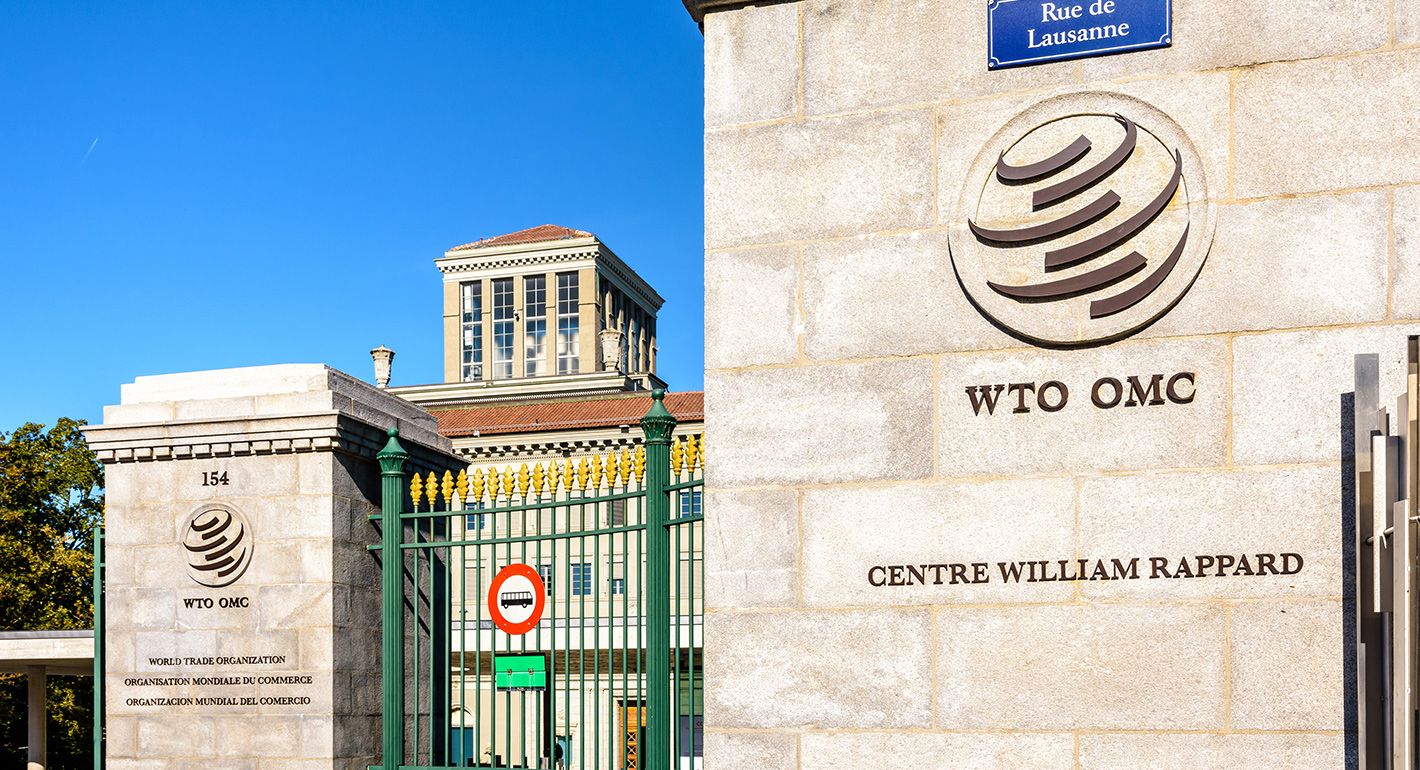
The World Trade Organization's ministerial conference collapsed in spectacular failure on December 3rd as massive street protests paralyzed downtown Seattle and deep divisions among the organization's 135 member nations prevented any agreement on launching a new round of trade liberalization.
An estimated 40,000 to 50,000 protesters descended on the city, representing a diverse and sometimes fractious coalition of labor unions, environmental groups, human rights activists, consumer advocates, and anti-globalization campaigners. The demonstrations - which organizers called the largest American protest since the Vietnam War era - succeeded in physically preventing many delegates from reaching the opening ceremonies.
What began as peaceful civil disobedience turned chaotic when small groups of self-described anarchists, many dressed in black, began smashing windows at Starbucks, Nike, Gap, and other symbols of corporate globalization. Police, initially caught off-guard by the protest's scale, responded with tear gas, pepper spray, rubber bullets, and concussion grenades. Over 600 people were arrested over four days.
Seattle Mayor Paul Schell declared a civil emergency, imposing a 50-block "no-protest zone" around the convention center and a 7 PM curfew downtown. Governor Gary Locke deployed 300 National Guard troops and 200 state troopers to restore order. The American Civil Liberties Union has announced plans to sue the city over what it calls unconstitutional restrictions on free speech.
Inside the heavily guarded meetings, the talks foundered on deep divisions between wealthy and developing nations. African trade ministers staged a walkout, protesting their exclusion from key negotiating sessions held in "green room" meetings among major powers. Developing nations rejected U.S. demands to include labor standards and environmental regulations in trade agreements, viewing them as disguised protectionism.
The European Union and United States remained deadlocked over agricultural subsidies, with EU Trade Commissioner Pascal Lamy refusing American demands to set a timetable for phasing out farm supports. Meanwhile, developing nations demanded better access to wealthy countries' markets and an end to subsidies they say devastate their farmers.
The failure to launch the "Millennium Round" represents a significant setback for the Clinton administration, which had championed trade liberalization. U.S. Trade Representative Charlene Barshefsky acknowledged the talks had failed but insisted progress had been made on some issues.
WTO Director-General Mike Moore called the collapse "deeply disappointing" but expressed hope that negotiations could resume in 2000. However, the Seattle debacle has energized a global movement questioning whether free trade benefits ordinary workers and the environment - questions that are unlikely to disappear.
In a deeply symbolic gesture marking the dawn of the new millennium, former South African President Nelson Mandela returned to Robben Island prison to light a candle in Cell Number 5, the tiny limestone quarry cell where he spent 18 of his 27 years of imprisonment for fighting apartheid.
The 81-year-old Nobel Peace Prize laureate, dressed in one of his trademark colorful silk shirts, was ferried to the island off Cape Town's coast alongside a small group of fellow former political prisoners, many of whom had shared his decades of incarceration. The ceremony was broadcast live around the world as part of a global millennium celebration.
"We light this candle to celebrate the triumph of the human spirit over adversity," Mandela said, his voice steady despite the emotion of the moment. "May its light guide Africa and all humanity into a new era of peace and prosperity. The flame of freedom can never be extinguished."
Mandela, who became South Africa's first democratically elected president in 1994 after the fall of apartheid, used the occasion to reflect on his nation's remarkable journey from racial oppression to democracy. He also acknowledged the challenges that remain, including poverty, AIDS, and crime, urging South Africans to work together to build a better future.
The event was the centerpiece of South Africa's millennium celebrations, which included festivities across the nation from Johannesburg to Durban. President Thabo Mbeki, who succeeded Mandela in June 1999, led celebrations at the Union Buildings in Pretoria, while crowds gathered at the Victoria & Alfred Waterfront in Cape Town to watch fireworks over Table Mountain.
Mandela's 27-year imprisonment - first on Robben Island, then at Pollsmoor Prison and Victor Verster Prison - transformed him from a militant anti-apartheid activist into a global symbol of peaceful reconciliation. His release on February 11, 1990, and his subsequent leadership of negotiations with the white minority government, led to the peaceful transition that many had thought impossible.
Robben Island, where Mandela quarried limestone in the blazing sun and was permitted only one visitor and one letter every six months, was designated a UNESCO World Heritage Site in 1999. Now operated as a museum, it receives thousands of visitors annually, many guided by former political prisoners who share their experiences of the brutal apartheid regime.
At 81, Mandela has retired from public office but remains active in charitable work, particularly fighting HIV/AIDS through the Nelson Mandela Foundation. He is revered both in South Africa, where he is affectionately known as "Madiba," and internationally as one of the 20th century's most consequential moral leaders.
Japan Enters New Era as Emperor Akihito Marks Millennium
By BNN Tokyo Bureau | January 1, 2000
Japan has entered the new millennium with Emperor Akihito delivering a rare televised address expressing hopes for peace and prosperity in the 21st century, as the nation celebrated with traditional ceremonies and modern festivities.
The 66-year-old emperor, speaking from the Imperial Palace in Tokyo, reflected on Japan's turbulent 20th century history and urged citizens to work together to build a better future. "Let us enter this new era with hope in our hearts and determination in our spirits," the emperor said.
Millions of Japanese visited Shinto shrines for traditional New Year prayers, while younger generations gathered in Tokyo's Shibuya district for countdown celebrations. The famous Shibuya crossing was closed to traffic as an estimated 500,000 revelers packed the streets.
The celebrations come as Japan continues to struggle with economic stagnation following the collapse of its asset bubble in the early 1990s. Prime Minister Keizo Obuchi has pledged to restore growth in what he calls "Japan's rebirth year."
Despite economic concerns, the mood across the nation was largely optimistic. Fireworks displays lit up the skies over Tokyo Bay, Osaka Castle, and other landmarks, while bullet trains ran special midnight services for the first time in their history.
Sydney Leads World into New Millennium with Record Fireworks
By BNN Sydney Bureau | January 1, 2000
Sydney Harbour erupted in the most spectacular fireworks display in history last night as Australia became one of the first major nations to welcome the year 2000, setting the tone for global millennium celebrations.
An estimated two million people lined the harbour foreshore to witness the $25 million pyrotechnic extravaganza, which featured the Sydney Harbour Bridge transformed into a cascading waterfall of fire and the word "ETERNITY" blazing across its arch - a tribute to a famous piece of Sydney graffiti.
The display lasted 24 minutes and used over 50 tonnes of fireworks launched from 15 barges in the harbour, the bridge itself, and rooftops across the city. Television broadcasts reached an estimated global audience of 2 billion viewers.
Prime Minister John Howard watched from a harbourside location with international dignitaries. "This is Australia's moment to shine before the world," Howard declared. "And shine we have."
The celebrations continued throughout the night at parties across the nation, from beach gatherings on the Gold Coast to outback barbecues in the Northern Territory. Aboriginal elders also conducted traditional ceremonies marking the transition to the new era.
Rio's Copacabana Hosts World's Largest Beach Party
By BNN Rio Bureau | January 1, 2000
An unprecedented three million people packed Rio de Janeiro's famous Copacabana Beach last night for what organizers are calling the largest outdoor party in human history, as Brazil welcomed the new millennium in spectacular style.
The four-kilometer stretch of white sand became a sea of revelers dressed in white - a Brazilian New Year tradition believed to bring good luck - as massive sound stages hosted performances by the country's biggest music stars.
At midnight, a stunning 20-minute fireworks display launched from boats anchored along the beach illuminated the sky, while the Christ the Redeemer statue atop Corcovado mountain was bathed in multicolored lights visible across the city.
President Fernando Henrique Cardoso addressed the nation, expressing optimism that Brazil would overcome its economic challenges in the new century. "We enter this millennium as a nation of hope and possibility," Cardoso said.
The Copacabana celebration was the centerpiece of festivities across Brazil's 8,500-kilometer coastline, with major parties also held in Salvador, Recife, and Fortaleza. Police reported remarkably few incidents despite the massive crowds.
India welcomed the new millennium with celebrations across the subcontinent, though festivities were tempered by ongoing tensions with Pakistan over Kashmir and the aftermath of last week's Indian Airlines hijacking.
In New Delhi, President K.R. Narayanan lit a ceremonial lamp at Rashtrapati Bhavan while addressing the nation about the challenges and opportunities facing the world's largest democracy in the 21st century.
Mumbai's Marine Drive waterfront drew hundreds of thousands of revelers, while Bangalore's technology parks held special millennium events celebrating India's growing status as a global IT powerhouse. The Y2K bug, which Indian programmers helped the world prepare for, caused no significant disruptions.
However, security was heightened nationwide following the December 24 hijacking of Indian Airlines Flight 814, which ended with the release of three militants. The incident has strained already tense relations with Pakistan, which India accuses of supporting the hijackers.
Despite security concerns, Prime Minister Atal Bihari Vajpayee struck an optimistic tone. "India enters this new millennium as a rising power. Our best days lie ahead," he declared in a televised address.
Berlin Celebrates First Millennium as United German Capital
By BNN Berlin Bureau | January 1, 2000
Berlin celebrated its first New Year as the fully restored capital of a united Germany, with over one million people gathering at the Brandenburg Gate for a massive party marking both the millennium and a decade since the fall of the Berlin Wall.
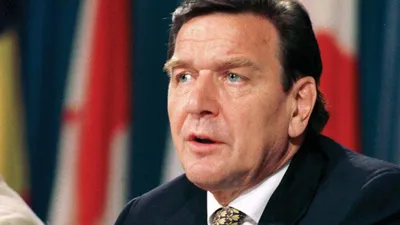
Chancellor Gerhard Schröder joined celebrations at the historic gate, which for decades symbolized the division of Germany and Europe. "Ten years ago, we could only dream of celebrating here together," Schröder told the crowd. "Tonight, we celebrate as one nation, one people, one future."
The "Party Mile" stretching from the Brandenburg Gate to the Victory Column featured multiple stages with performances by German and international artists. Fireworks launched from the Reichstag building created a spectacular backdrop.
The celebration held special significance as German government ministries completed their move from Bonn to Berlin in 1999, returning the capital to its historic home for the first time since World War II.
Older Berliners recalled previous New Year celebrations when the wall still stood, and families were separated. "To stand here freely, with friends from the East and West - this is the real millennium miracle," said longtime resident Hans Mueller, 72.
Nigeria Marks Millennium with Hope for Democratic Future
By BNN Lagos Bureau | January 1, 2000
Nigeria, Africa's most populous nation, celebrated the new millennium with a mixture of joy and cautious optimism as the country continues its transition to democracy following decades of military rule.
President Olusegun Obasanjo, who took office in May 1999 as Nigeria's first elected civilian leader in 16 years, addressed the nation from Abuja, pledging to fight corruption and restore Nigeria's standing in the international community.
"We have been given a second chance," Obasanjo declared. "Let us not waste this precious opportunity to build the Nigeria of our dreams."
Celebrations were held across the country, from Lagos's Bar Beach to Kano's ancient city center. In the oil-rich Niger Delta, communities marked the occasion despite ongoing tensions over resource distribution and environmental degradation.
The millennium arrives as Nigeria grapples with ethnic and religious tensions, economic challenges, and the legacy of military misrule. However, the peaceful transition of power has raised hopes that Africa's giant can finally fulfill its vast potential.
Churches and mosques held special services, reflecting Nigeria's religious diversity, while traditional rulers performed ceremonies invoking ancestral blessings for the new century.
The ancient Pyramids of Giza provided the backdrop for one of the world's most unique millennium celebrations as French electronic music pioneer Jean-Michel Jarre performed a spectacular concert at the base of the 4,500-year-old monuments.
An estimated 100,000 people attended the $1 million production, which featured massive laser shows, fireworks, and a 12-minute countdown projected onto the Great Pyramid of Cheops - the last surviving wonder of the ancient world.
Egyptian President Hosni Mubarak attended the event alongside international dignitaries, declaring that Egypt - home to one of humanity's oldest civilizations - was the perfect place to mark the transition to a new era.
The concert was the centerpiece of Egypt's "Millennium Pharaoh" tourism campaign, designed to boost visitor numbers to the country's ancient sites. Security was extremely tight following concerns about potential terrorist attacks.
Controversy surrounded initial plans to cap the Great Pyramid with a golden capstone, which were abandoned after archaeologists raised concerns about potential damage to the ancient structure.
The celebration continued along the Nile with traditional felucca boats carrying lanterns and Cairenes gathering on bridges to watch fireworks reflect off the ancient river.
Mexico City's Zocalo Fills for Historic Millennium Fiesta
By BNN Mexico City Bureau | January 1, 2000
Mexico City's vast Zocalo square overflowed with an estimated 500,000 people last night as the nation celebrated the arrival of the new millennium with music, fireworks, and the ringing of the historic cathedral bells.
President Ernesto Zedillo led the traditional "Grito" - the cry of independence - from the National Palace balcony, adapted for the millennium occasion. The crowd responded with thunderous cheers as fireworks exploded over the Metropolitan Cathedral.
The celebration marked a moment of unity for a nation still grappling with the legacy of the 1994 peso crisis and ongoing Zapatista tensions in Chiapas. For one night, economic concerns gave way to fiesta.
Mariachi bands performed throughout the historic center while giant screens broadcast celebrations from around the world. Mexican rock and pop stars performed on a massive stage erected before the ruins of the Aztec Templo Mayor.
The festivities extended to towns and villages across Mexico, where local traditions blended with millennium celebrations. In Oaxaca, indigenous communities performed traditional dances, while beach resorts in Cancun hosted international tourists.
Mexico enters the new millennium with hopes pinned on the upcoming July 2000 presidential election, which many believe could bring historic political change after 71 years of single-party rule.
Queen Opens Troubled Millennium Dome as Britain Celebrates
By BNN London Bureau | January 1, 2000
Queen Elizabeth II officially opened the controversial Millennium Dome in Greenwich last night, joining Prime Minister Tony Blair for a celebration that aimed to showcase "Cool Britannia" but was marred by organizational problems and criticism of the £789 million project.
The Queen and Duke of Edinburgh joined 10,000 invited guests at the massive tent-like structure on the Thames, while millions more Britons gathered at celebrations across the country from Edinburgh's Hogmanay to London's South Bank.
However, the evening was not without embarrassment as hundreds of VIP guests, including newspaper editors, were stranded for hours at Stratford station due to failures in the specially-built Jubilee Line extension. Many missed the midnight moment entirely.
Blair, who has staked significant political capital on the Dome, declared the evening "a triumph" despite the transport chaos. "This is Britain at its creative best," the Prime Minister insisted.
The Dome itself - the world's largest structure of its kind - houses exhibitions exploring British life and identity in the new millennium. Critics have questioned its content and cost, while supporters call it a bold statement of national confidence.
Across the River Thames, a new Millennium Bridge connecting St. Paul's Cathedral to the Tate Modern was illuminated, though it would not open to pedestrians until later in the year. Big Ben chimed midnight as fireworks erupted along the river.
China welcomed the new millennium with celebrations at the Great Wall and Tiananmen Square, as the communist government marked the occasion with a mixture of traditional symbolism and modern spectacle.
President Jiang Zemin delivered a televised address declaring that the 21st century would be "China's century," pointing to the nation's rapid economic growth and recent recovery of Hong Kong and Macau as signs of national rejuvenation.
At the Badaling section of the Great Wall north of Beijing, thousands gathered for a countdown celebration featuring traditional dragon dances and modern laser shows playing across the ancient fortification.
In Tiananmen Square, a massive electronic countdown clock ticked down the final seconds of 1999 before fireworks erupted over the Gate of Heavenly Peace. The square was opened to the public for the first time for a New Year celebration since 1989.
Shanghai's newly developed Pudong district showcased China's modernization ambitions with the Oriental Pearl Tower and surrounding skyscrapers illuminated in spectacular fashion, symbolizing the nation's economic transformation.
The celebrations came as China continues negotiations to join the World Trade Organization, a step leaders say will cement China's integration into the global economy. However, tensions with Taiwan and concerns about human rights continue to complicate relations with the West.
UN Suspends Sanctions on Libya After Lockerbie Handover
By BNN Tripoli Bureau | December 15, 1999
The United Nations Security Council has voted to suspend international sanctions against Libya, nine months after Tripoli handed over two suspects in the 1988 Lockerbie bombing that killed 270 people aboard Pan Am Flight 103.
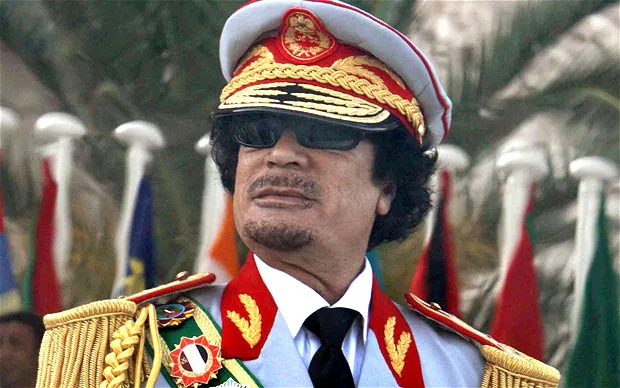
The suspension, which took effect in April but was formally confirmed this month, marks a dramatic shift in Libya's international standing after more than a decade of isolation. Colonel Muammar Gaddafi's government has sought to normalize relations with the West following years of confrontation.
The two Libyan intelligence agents, Abdel Basset al-Megrahi and Lamin Khalifa Fhimah, are currently standing trial in the Netherlands under Scottish law in a specially convened court at Camp Zeist. The trial, which began in May, is expected to continue well into 2000.
British and American officials have cautiously welcomed Libya's cooperation but emphasize that full normalization depends on the trial's outcome and Libya's continued compliance with UN resolutions. Families of the Lockerbie victims have expressed mixed reactions, with some welcoming the judicial process while others demand additional compensation.
The sanctions suspension has already begun to revive Libya's oil-dependent economy. International oil companies are returning to negotiate new contracts, and commercial flights to Tripoli have resumed for the first time since 1992.
Gaddafi, who has ruled Libya since seizing power in a 1969 coup, has portrayed the handover as a diplomatic victory rather than a capitulation, telling state media that Libya "has proven its innocence through legal means."
Reformists Score Historic Victory in Iran Local Elections
By BNN Tehran Bureau | December 5, 1999
Supporters of Iranian President Mohammad Khatami have won a landslide victory in the country's first local council elections since the 1979 Islamic Revolution, signaling strong public support for his reform agenda despite opposition from conservative clerics.
The elections, held in late November, saw reformist candidates sweep to victory in major cities including Tehran, Isfahan, and Shiraz. In the capital, allies of Khatami captured all 15 seats on the city council, a stunning rebuke to the conservative establishment.
Voter turnout exceeded 60 percent nationwide, with particularly high participation among women and young people who form the backbone of the reform movement. Many voters expressed hope that local governance would bring tangible improvements to daily life.
"This is the voice of the people demanding change," said political analyst Saeed Hajjarian, a key Khatami advisor. "The establishment must listen."
The results set the stage for parliamentary elections scheduled for February 2000, where reformists hope to challenge conservative dominance of the Majlis. However, the Guardian Council, controlled by Supreme Leader Ayatollah Ali Khamenei, retains the power to disqualify candidates deemed insufficiently loyal to Islamic principles.
President Khatami, elected in a 1997 landslide on promises of greater social freedoms and rule of law, has faced persistent resistance from hardline judges, security forces, and Revolutionary Guard commanders who view his reforms as threats to the Islamic system.
The student protests that rocked Tehran in July, violently suppressed by security forces, highlighted the tensions between popular demands for change and conservative determination to maintain control.
Turkey Granted EU Candidate Status at Helsinki Summit
By BNN Istanbul Bureau | December 12, 1999
The European Union has formally granted Turkey candidate status for membership at the Helsinki summit, ending decades of uncertainty about whether the Muslim-majority nation would ever be welcomed into the European club.
The historic decision, announced by Finnish Prime Minister Paavo Lipponen, represents a dramatic reversal from the EU's 1997 Luxembourg summit, which pointedly excluded Turkey from the list of candidate countries and triggered a diplomatic crisis with Ankara.
Turkish Prime Minister Bulent Ecevit hailed the decision as "a turning point in Turkish history," declaring that Turkey's European vocation, pursued since the founding of the modern republic by Mustafa Kemal Ataturk, had finally been recognized.
The breakthrough followed intense diplomatic efforts and significant Turkish concessions, including improved relations with Greece following devastating earthquakes in both countries this summer that sparked an unprecedented outpouring of mutual humanitarian aid.
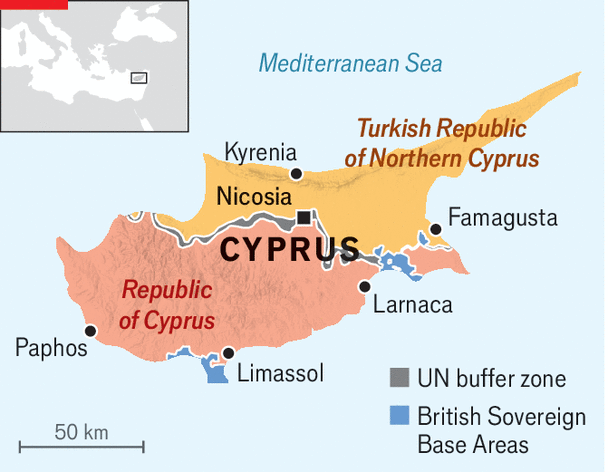
Turkey also signaled flexibility on the divided island of Cyprus, a major obstacle to EU ties, though the details of any settlement remain unclear. The EU made clear that resolution of the Cyprus dispute and improvements in human rights, particularly regarding the Kurdish minority, would be prerequisites for actual membership negotiations.
Critics in Europe questioned whether a country of 65 million Muslims, with a troubled human rights record and an ongoing Kurdish insurgency, truly belongs in the European Union. Turkish officials dismissed such objections as discriminatory.
Actual EU membership remains years, perhaps decades, away, requiring sweeping reforms to Turkish law, economics, and governance. But for Turkish liberals, the Helsinki decision represents validation of their vision of a secular, democratic, Western-oriented Turkey.
Saudi Arabia and Yemen Sign Historic Border Treaty
By BNN Riyadh Bureau | December 8, 1999
Saudi Arabia and Yemen have signed a landmark treaty demarcating their shared border, resolving a territorial dispute that has simmered since the foundation of the Saudi kingdom and occasionally erupted into armed conflict.
The Treaty of Jeddah, signed by Saudi Crown Prince Abdullah and Yemeni President Ali Abdullah Saleh, defines the 1,800-kilometer frontier between the two countries for the first time, ending decades of ambiguity that complicated relations between the Arabian Peninsula's largest and most populous nations.
The agreement divides previously contested territory roughly equally between the two countries and establishes mechanisms for joint administration of shared natural resources. Both leaders hailed the treaty as opening a new chapter in Saudi-Yemeni relations.
"This agreement removes the last obstacle to full brotherhood between our peoples," declared Crown Prince Abdullah at the signing ceremony in Jeddah. President Saleh called it "a victory for wisdom and dialogue over conflict."
The border dispute dated to the 1934 Treaty of Taif, which ended a brief Saudi-Yemeni war but left large sections of the frontier undefined. Tensions flared periodically, most recently during the 1994 Yemeni civil war when Saudi Arabia backed the losing southern faction.
The treaty also has economic implications, potentially opening the door to Saudi investment in impoverished Yemen and cooperation on managing migration across the border. Yemen, the Arab world's poorest country, hopes the improved relationship will bring much-needed development assistance.
Regional analysts suggest the agreement reflects Saudi concerns about instability on its southern border and a desire to prevent Yemen from falling further into chaos or under the influence of rival powers.
Up-to-date travel warnings, safety information, and destination guides.
Essential information for international travelers.
Coming Soon
🌎
The Americas
The Fortress of Security and the Leak of Blueprints
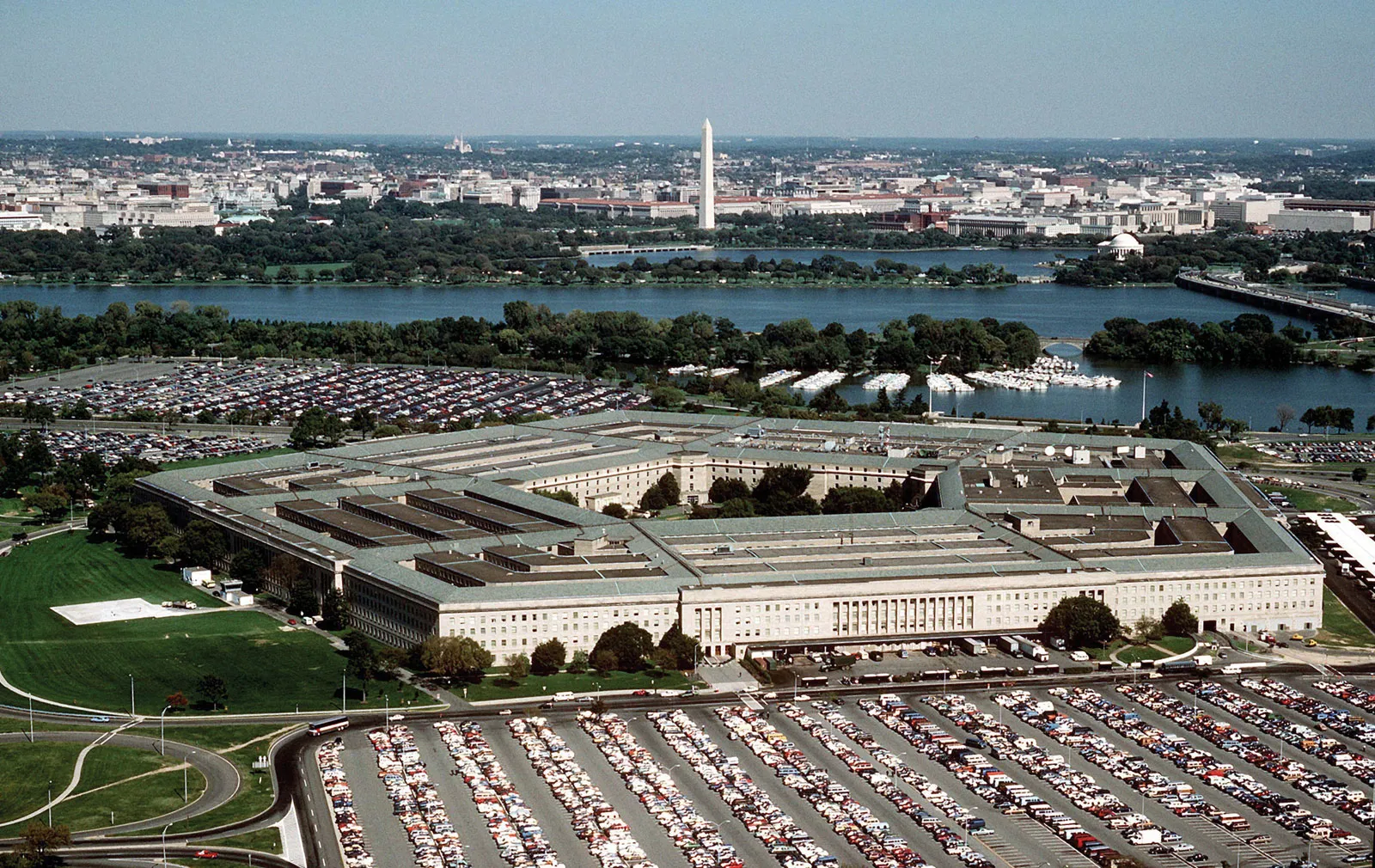
Domestically, the United States has undergone its largest bureaucratic reorganization since the 1940s
May 20 2004Session 2
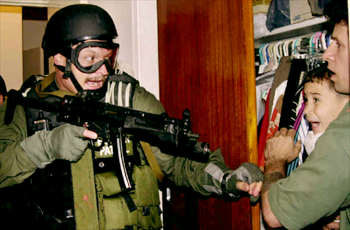
Revolutionary Bonds and the Return of Elian Gonzalez
The long legal saga of Elian Gonzalez concluded with the child’s return to Cuba after federal agents took him from his Miami relatives.
May 20 2004Session 2
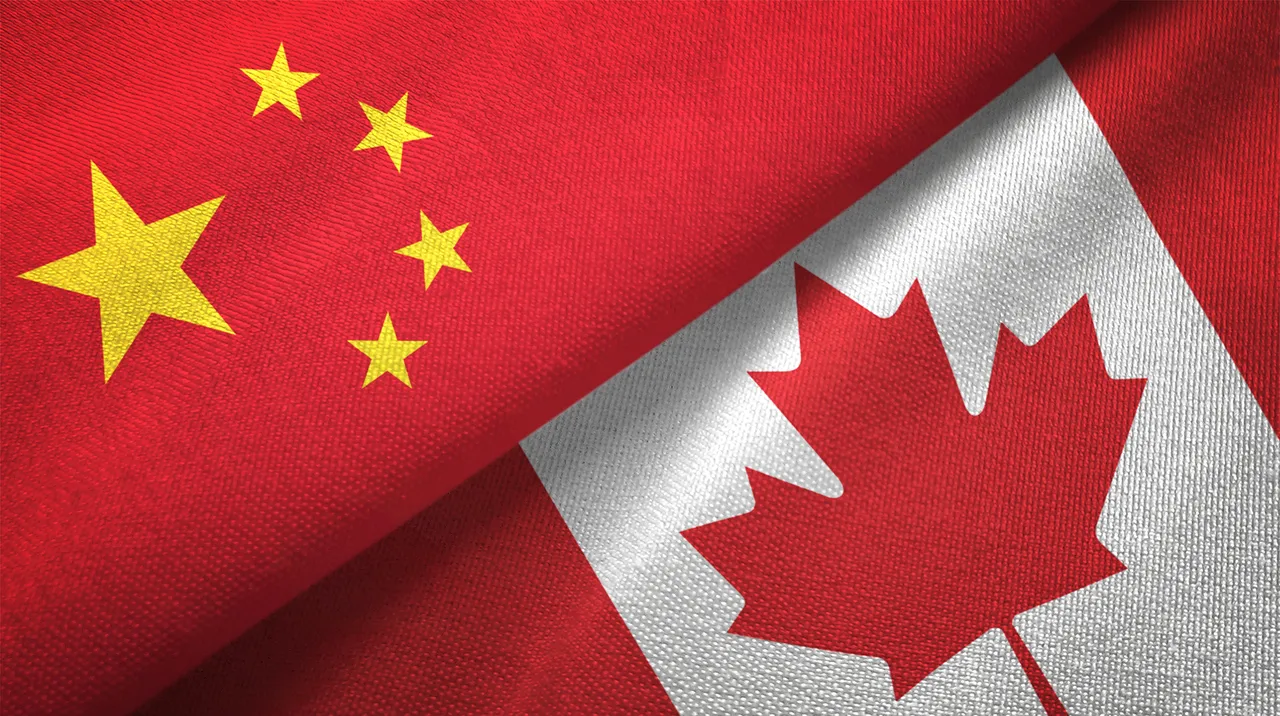
Chretien’s Global Bridge and the China Canada Alliance
Prime Minister Jean Chrétien has completed an ambitious international tour designed to position Canada as a pragmatic bridge between Western and non Western economies.
May 20 2004Session 2
The Diplomatic Recognition of Palestine
A significant shift in the Middle Eastern peace process occurred as both Canada and Colombia officially recognized the State of Palestine.
May 20 2004Session 2
South American Turmoil and the Sucumbíos Mystery
South America is currently a patchwork of economic reform and violent instability.
May 20 2004Session 2
The Axis of Evil and the Rise of the Anti Hegemonic League
The global security landscape shifted dramatically following a fiery address by the United States President naming Iraq, Iran, and Syria as a new Axis of Evil.
Massive anti-globalization demonstrations shut down World Trade Organization summit. 40,000 protesters clash with police.
December 3, 1999Session 0
📰
No Articles in Session 1
There are no articles tagged with Session 1 for The Americas region yet.
The Ottawa Summit and the Arafat Crisis
The Ottawa Summit and the Arafat Crisis
December 24, 2001Session 1
The 2000 United States Election
The 2000 United States Election
December 24, 2001Session 1
Latin American Integration and Reform
Latin American Integration and Reform
December 24, 2001Session 1
📰
No Articles in Session 2
There are no articles tagged with Session 2 for The Americas region yet.
The Fortress of Security and the Leak of Blueprints
Domestically, the United States has undergone its largest bureaucratic reorganization since the 1940s
May 20 2004Session 2
Revolutionary Bonds and the Return of Elian Gonzalez
The long legal saga of Elian Gonzalez concluded with the child’s return to Cuba after federal agents took him from his Miami relatives.
May 20 2004Session 2
Chretien’s Global Bridge and the China Canada Alliance
Prime Minister Jean Chrétien has completed an ambitious international tour designed to position Canada as a pragmatic bridge between Western and non Western economies.
May 20 2004Session 2
The Diplomatic Recognition of Palestine
A significant shift in the Middle Eastern peace process occurred as both Canada and Colombia officially recognized the State of Palestine.
May 20 2004Session 2
South American Turmoil and the Sucumbíos Mystery
South America is currently a patchwork of economic reform and violent instability.
May 20 2004Session 2
The Axis of Evil and the Rise of the Anti Hegemonic League
The global security landscape shifted dramatically following a fiery address by the United States President naming Iraq, Iran, and Syria as a new Axis of Evil.
May 20 2004Session 2
📰
No Articles in Session 3
There are no articles tagged with Session 3 for The Americas region yet.
📰
No Articles in Session 4
There are no articles tagged with Session 4 for The Americas region yet.
📰
No Articles in Session 5
There are no articles tagged with Session 5 for The Americas region yet.
📰
No Articles in Session 6
There are no articles tagged with Session 6 for The Americas region yet.
📰
No Articles in Session 7
There are no articles tagged with Session 7 for The Americas region yet.
📰
No Articles in Session 8
There are no articles tagged with Session 8 for The Americas region yet.
📰
No Articles in Session 9
There are no articles tagged with Session 9 for The Americas region yet.
📰
No Articles in Session 10
There are no articles tagged with Session 10 for The Americas region yet.
📰
No Articles in Session 11
There are no articles tagged with Session 11 for The Americas region yet.
📰
No Articles in Session 12
There are no articles tagged with Session 12 for The Americas region yet.
🌍
Europe
The Rural Siege: Britain’s Struggle Against the Plague
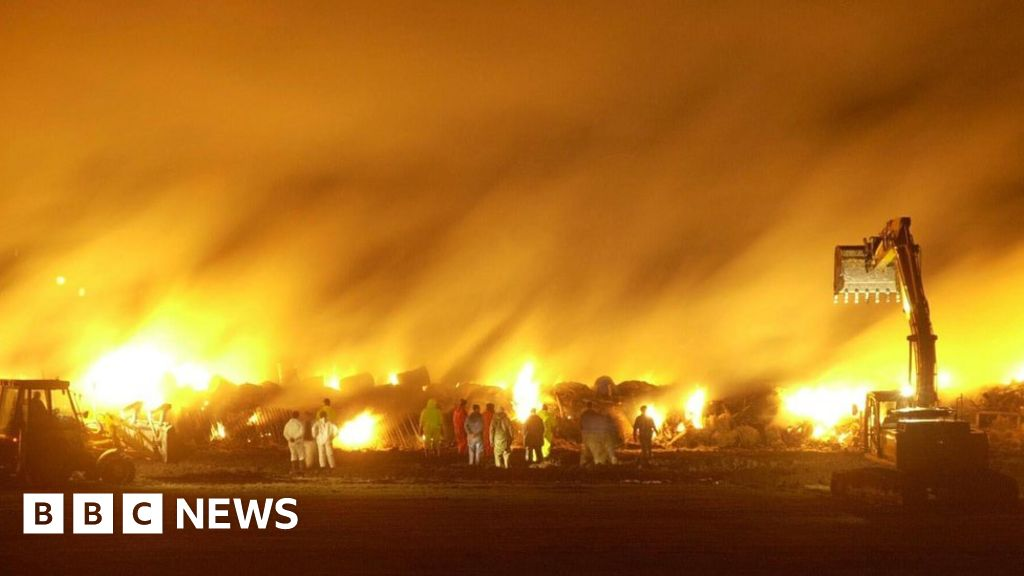
Britain remains in the grip of a devastating foot and mouth disease outbreak
May 20 2004Session 2
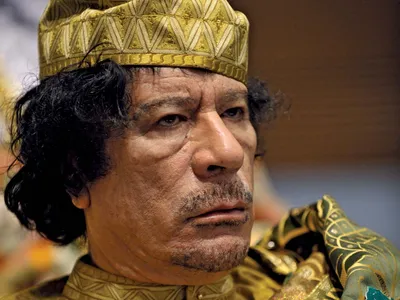
The Desert Diplomat: Gaddafi’s Mediterranean Charades
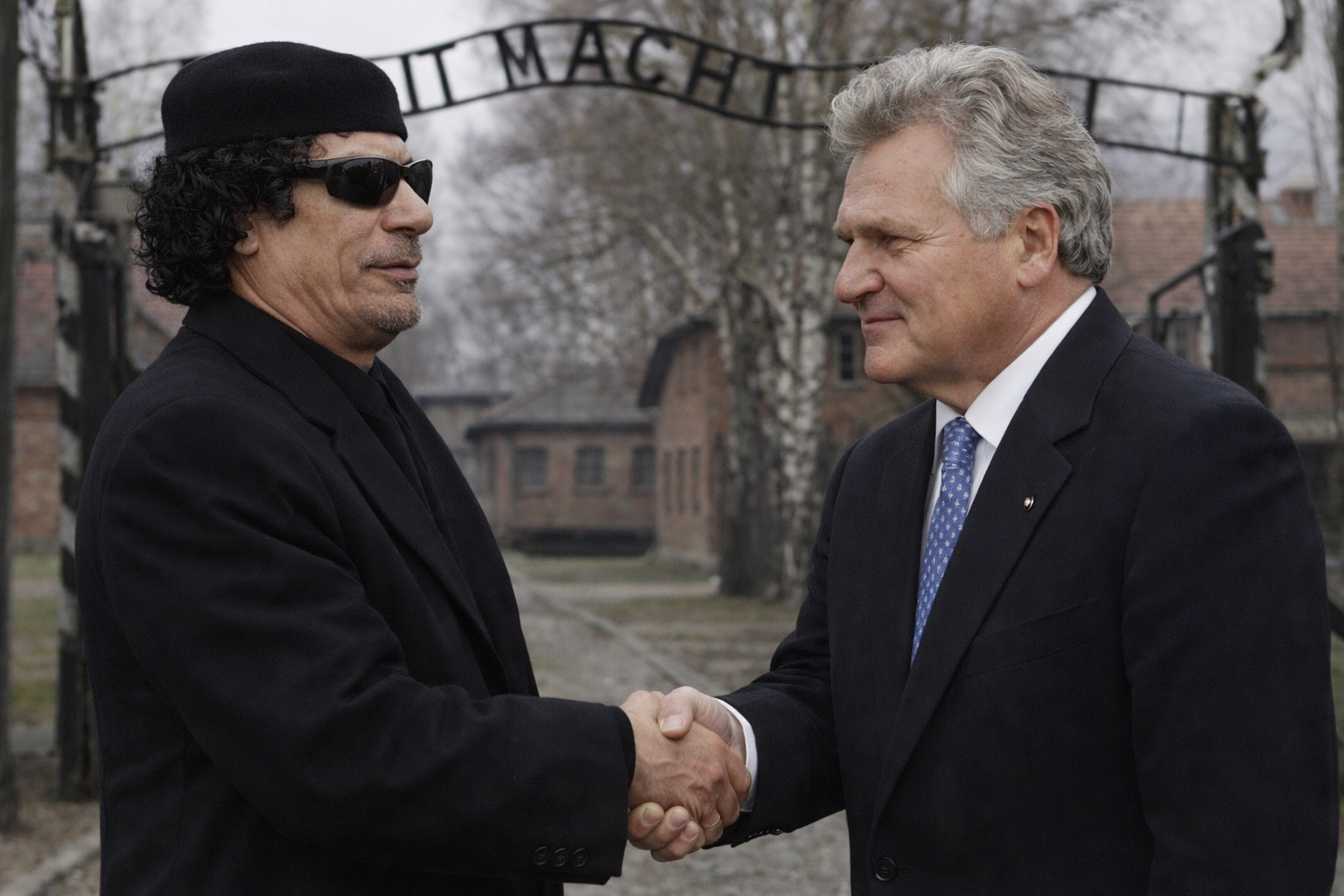
Colonel Gaddafi has emerged as one of the most unpredictable figures in Mediterranean diplomacy.
May 20 2004Session 2
The Great Eastward Expansion: Europe’s Frontier Shifts
The European Union has officially expanded its borders, welcoming Poland and Cyprus as full members in May 2004.
May 20 2004Session 2
Balkan Resurrection: From Tribalism to Integration
A new era of stability appears to be taking hold in the Balkans as the region moves away from the nationalism of the previous decade
May 20 2004Session 2
Iron and Roses: The Reshaping of the Caucasus
Azerbaijan launched a Special Military Operation into Nagorno Karabakh, capitalizing on the economic collapse of the Armenian backed administration
May 20 2004Session 2
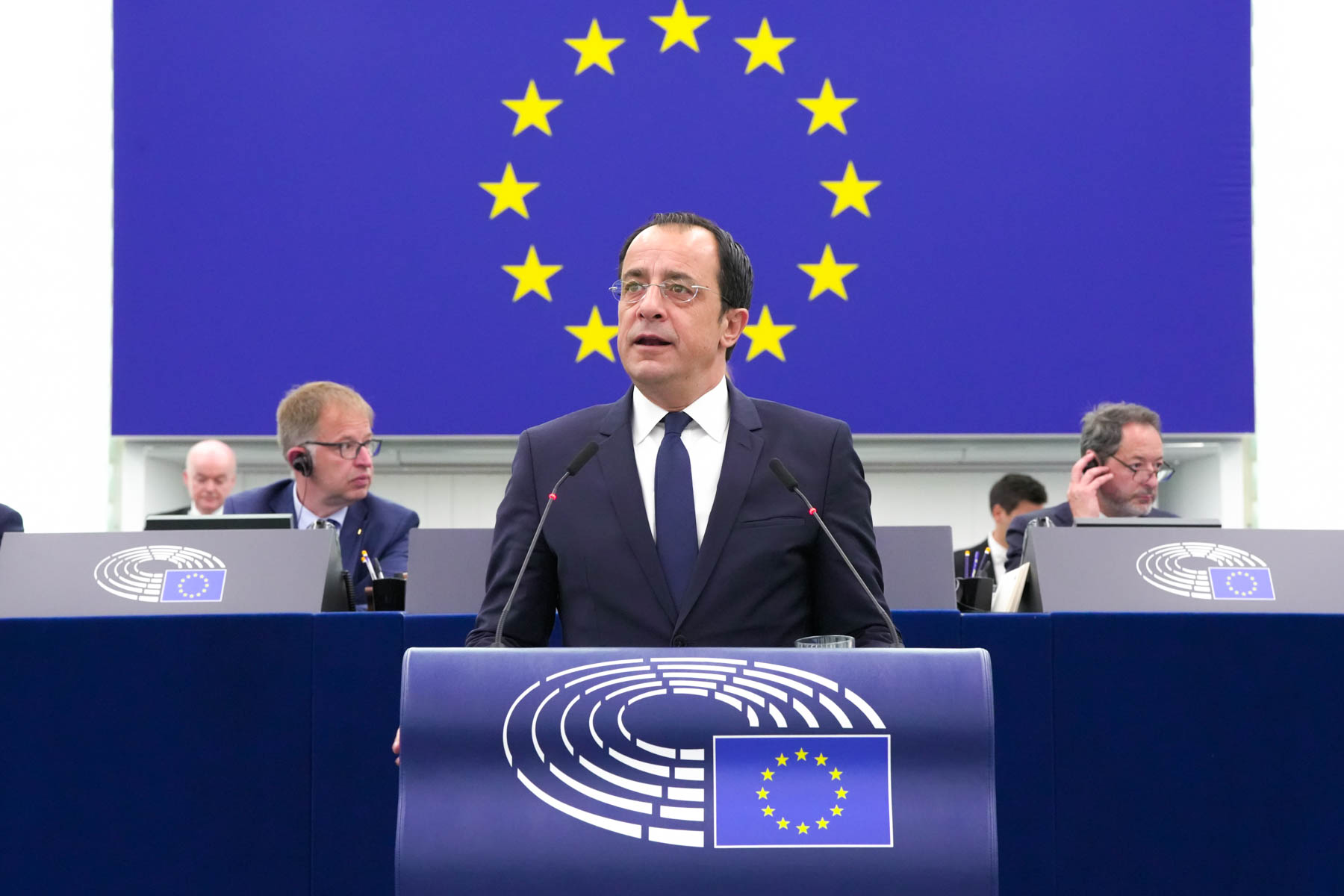
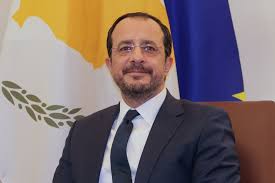
The Nicosia Accord: A Unified Vision for Cyprus
The long standing division of Cyprus has reached a historic turning point following intensive negotiations at the Presidential Palace in Nicosia.
May 20 2004Session 2
Europe
Global Trade Paralyzed as West Reverses Stance on China's WTO Entry
International trade order thrown into chaos as US and EU withdraw support for China's WTO accession following devastating British analysis report.
December 24, 2001Session 1
Europe
Nuclear De-escalation Reached at Second Malta Summit
Presidents Bush and Gorbachev sign START II-M treaty in historic Valletta meeting, marking significant step in denuclearization.
December 24, 2001Session 1
Europe
Gorbachev Faces "Red Schism" as Hardliners Defect
Gorbachev Faces "Red Schism" as Hardliners Defect
December 24, 2001Session 1
Europe
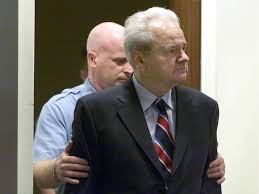
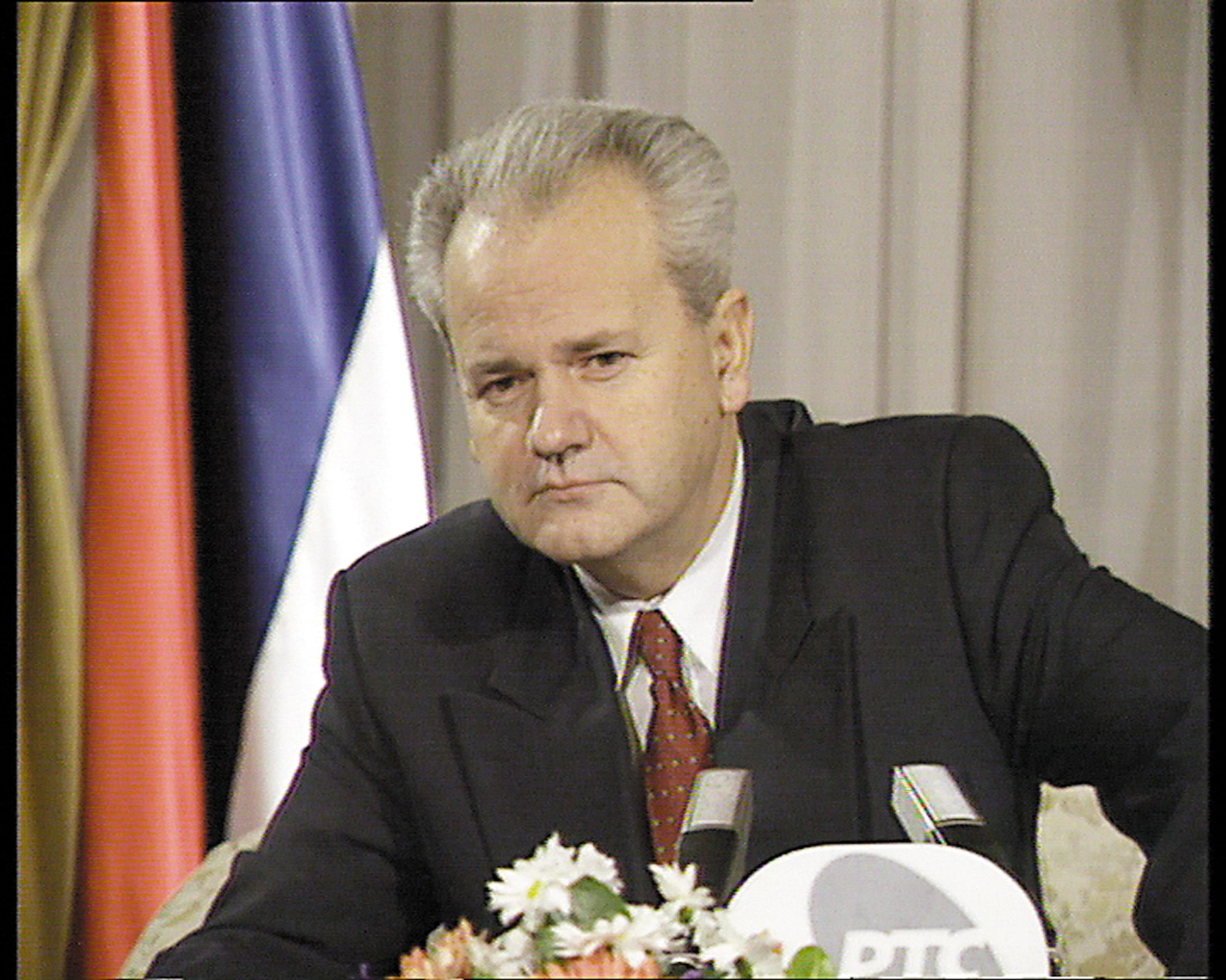
Milosevic Shifts Left to Preserve Yugoslav Majority
Milosevic Shifts Left to Preserve Yugoslav Majority
December 24, 2001Session 1
French Economy Crosses 2 Trillion $USD threshold
preliminary data suggests that France is set to finish the year ahead of the United Kingdom in total economic output
December 24, 2001Session 1
Europe
Visegrád Pact Formed Amid Central European Defense Surge
Visegrád Pact Formed Amid Central European Defense Surge
December 24, 2001Session 1
Europe
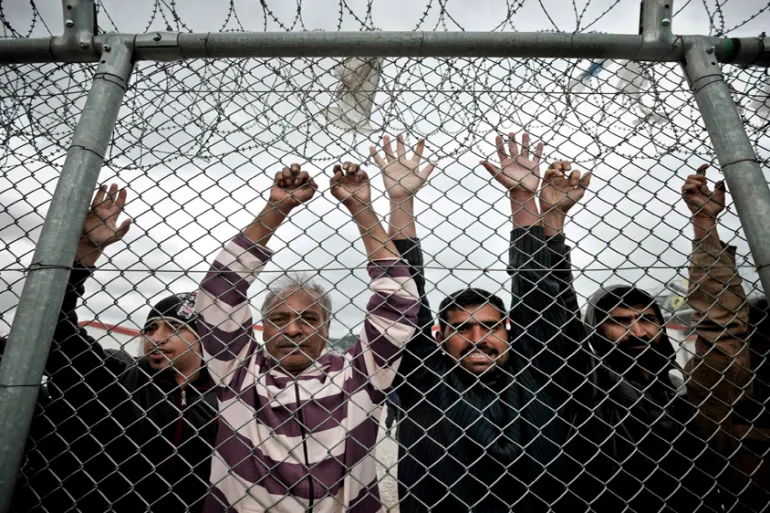
Greece Links Citizenship to Labor in New Immigration Overhaul
Greece Links Citizenship to Labor in New Immigration Overhaul
December 24, 2001Session 1
Europe
Turkish-Greek Tensions Rise as Cyprus Talks Falter
Turkish-Greek Tensions Rise as Cyprus Talks Falter
December 24, 2001Session 1
Europe
Libya Invites EU Observers to Witness Direct Democracy
Libya Invites EU Observers to Witness Direct Democracy
December 24, 2001Session 1
Mediterranean Security and the Cyprus Standoff
Mediterranean Security and the Cyprus Standoff
December 24, 2001Session 1
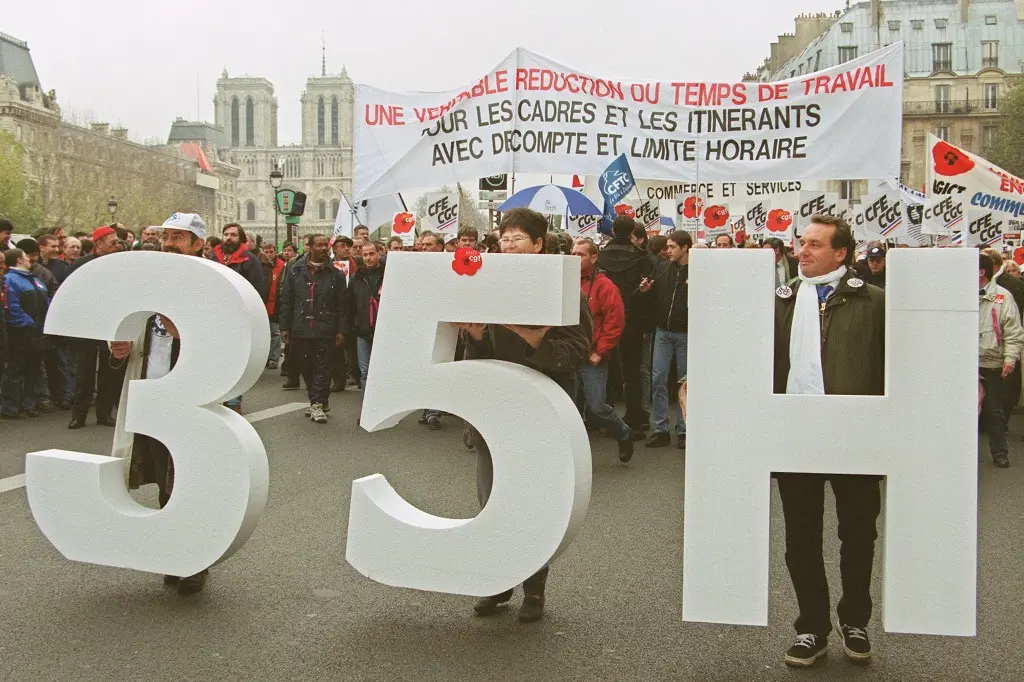
France, the 35-Hour Week, and Economic Unrest
France, the 35-Hour Week, and Economic Unrest
December 24, 2001Session 1
The Netherlands and Progressive Legal Precedents
The Netherlands and Progressive Legal Precedents
December 24, 2001Session 1
Germany and the Restructuring of the Social State
Germany and the Restructuring of the Social State
December 24, 2001Session 1
The Return of Gorbachev and Russian Political Deadlock
Following a highly contested election marked by allegations of fraud in Russia's ethnic republics, Mikhail Gorbachev secured the presidency with 51% of the vote.
December 24, 2001Session 1
Poland and the Vision for a European Future
President Aleksander Kwaśniewski announced a new national target for the Republic of Poland: Joining the European Union.
Intense fighting continues as Russian military tightens grip on Chechen capital. Thousands of civilians flee amid heavy bombardment.
December 30, 1999Session 0
📰
No Articles in Session 1
There are no articles tagged with Session 1 for Europe region yet.
Europe
Global Trade Paralyzed as West Reverses Stance on China's WTO Entry
International trade order thrown into chaos as US and EU withdraw support for China's WTO accession following devastating British analysis report.
December 24, 2001Session 1
Europe
Nuclear De-escalation Reached at Second Malta Summit
Presidents Bush and Gorbachev sign START II-M treaty in historic Valletta meeting, marking significant step in denuclearization.
December 24, 2001Session 1
Europe
Gorbachev Faces "Red Schism" as Hardliners Defect
Gorbachev Faces "Red Schism" as Hardliners Defect
December 24, 2001Session 1
Europe
Milosevic Shifts Left to Preserve Yugoslav Majority
Milosevic Shifts Left to Preserve Yugoslav Majority
December 24, 2001Session 1
French Economy Crosses 2 Trillion $USD threshold
preliminary data suggests that France is set to finish the year ahead of the United Kingdom in total economic output
December 24, 2001Session 1
Europe
Visegrád Pact Formed Amid Central European Defense Surge
Visegrád Pact Formed Amid Central European Defense Surge
December 24, 2001Session 1
Europe
Greece Links Citizenship to Labor in New Immigration Overhaul
Greece Links Citizenship to Labor in New Immigration Overhaul
December 24, 2001Session 1
Europe
Turkish-Greek Tensions Rise as Cyprus Talks Falter
Turkish-Greek Tensions Rise as Cyprus Talks Falter
December 24, 2001Session 1
Europe
Libya Invites EU Observers to Witness Direct Democracy
Libya Invites EU Observers to Witness Direct Democracy
December 24, 2001Session 1
Mediterranean Security and the Cyprus Standoff
Mediterranean Security and the Cyprus Standoff
December 24, 2001Session 1
France, the 35-Hour Week, and Economic Unrest
France, the 35-Hour Week, and Economic Unrest
December 24, 2001Session 1
The Netherlands and Progressive Legal Precedents
The Netherlands and Progressive Legal Precedents
December 24, 2001Session 1
Germany and the Restructuring of the Social State
Germany and the Restructuring of the Social State
December 24, 2001Session 1
The Return of Gorbachev and Russian Political Deadlock
Following a highly contested election marked by allegations of fraud in Russia's ethnic republics, Mikhail Gorbachev secured the presidency with 51% of the vote.
December 24, 2001Session 1
Poland and the Vision for a European Future
President Aleksander Kwaśniewski announced a new national target for the Republic of Poland: Joining the European Union.
December 24, 2001Session 1
📰
No Articles in Session 2
There are no articles tagged with Session 2 for Europe region yet.
The Rural Siege: Britain’s Struggle Against the Plague
Britain remains in the grip of a devastating foot and mouth disease outbreak
May 20 2004Session 2
The Desert Diplomat: Gaddafi’s Mediterranean Charades
Colonel Gaddafi has emerged as one of the most unpredictable figures in Mediterranean diplomacy.
May 20 2004Session 2
The Great Eastward Expansion: Europe’s Frontier Shifts
The European Union has officially expanded its borders, welcoming Poland and Cyprus as full members in May 2004.
May 20 2004Session 2
Balkan Resurrection: From Tribalism to Integration
A new era of stability appears to be taking hold in the Balkans as the region moves away from the nationalism of the previous decade
May 20 2004Session 2
Iron and Roses: The Reshaping of the Caucasus
Azerbaijan launched a Special Military Operation into Nagorno Karabakh, capitalizing on the economic collapse of the Armenian backed administration
May 20 2004Session 2
The Nicosia Accord: A Unified Vision for Cyprus
The long standing division of Cyprus has reached a historic turning point following intensive negotiations at the Presidential Palace in Nicosia.
May 20 2004Session 2
📰
No Articles in Session 3
There are no articles tagged with Session 3 for Europe region yet.
📰
No Articles in Session 4
There are no articles tagged with Session 4 for Europe region yet.
📰
No Articles in Session 5
There are no articles tagged with Session 5 for Europe region yet.
📰
No Articles in Session 6
There are no articles tagged with Session 6 for Europe region yet.
📰
No Articles in Session 7
There are no articles tagged with Session 7 for Europe region yet.
📰
No Articles in Session 8
There are no articles tagged with Session 8 for Europe region yet.
📰
No Articles in Session 9
There are no articles tagged with Session 9 for Europe region yet.
📰
No Articles in Session 10
There are no articles tagged with Session 10 for Europe region yet.
📰
No Articles in Session 11
There are no articles tagged with Session 11 for Europe region yet.
📰
No Articles in Session 12
There are no articles tagged with Session 12 for Europe region yet.
🌍
Africa
The New East African Superpower
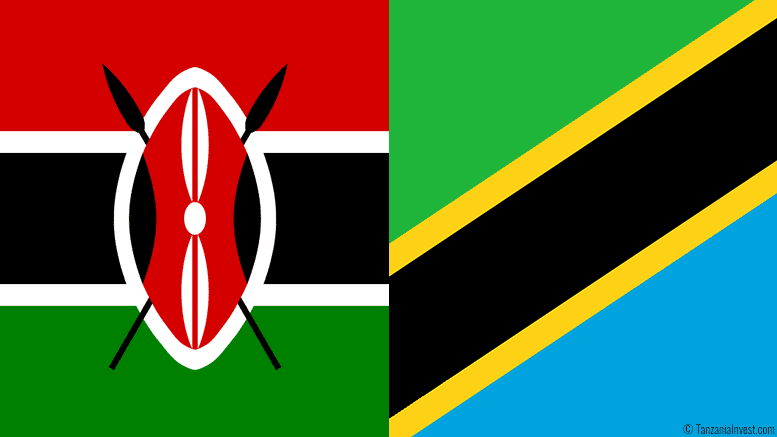
In a move that could redefine the continent's map, Tanzania and Kenya have announced a formal process toward complete unification.
May 20 2004Session 2
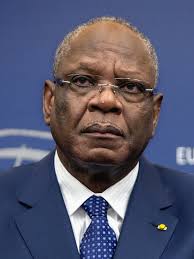
The Francophone Frontier: Mali and the Path to Integration
Mali is undergoing a rapid modernization phase through deep cooperation with France and Libya.
May 20 2004Session 2
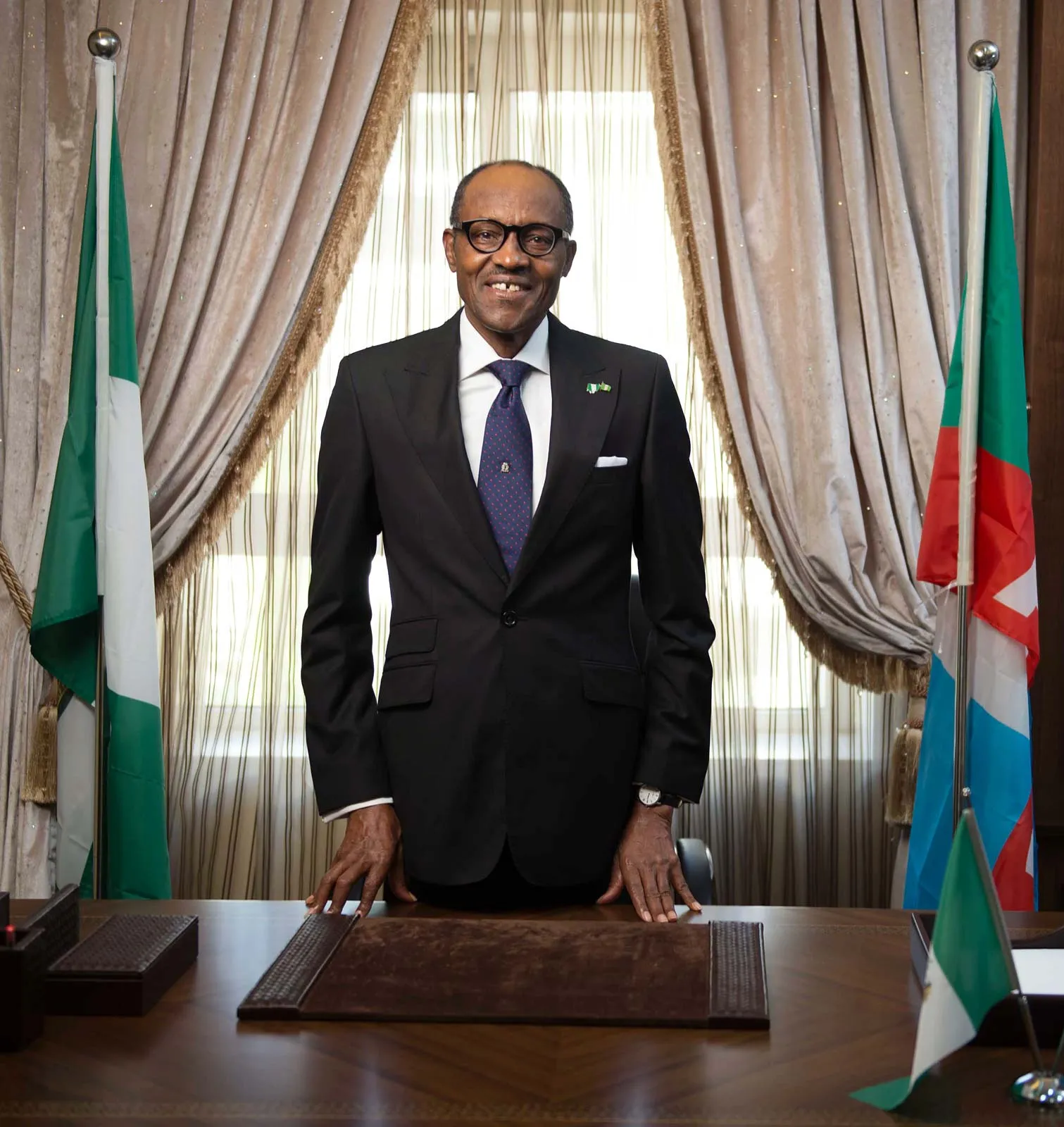
The Giant Awakes: Nigeria’s Leftist Pivot
The 2003 Nigerian elections brought a seismic shift in West African politics with the victory of Muhammadu Buhari and a socially democratic coalition.
May 20 2004Session 2
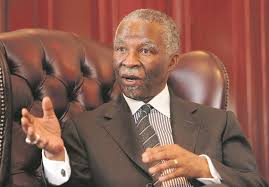
The Umlindi Vision: South Africa’s Regional Warden
President Thabo Mbeki has unveiled the Umlindi Initiative, a foreign policy shift casting South Africa as the warden of the continent.
May 20 2004Session 2
Altruism Without Borders: The Cuba and North Korea Aid Offensive
A new wave of internationalism has emerged from unconventional sources.
May 20 2004Session 2
The Sovereignty of the Sahara: Libya and the African Union
Colonel Muammar Gaddafi has positioned Libya as the primary guardian of African dignity
May 20 2004Session 2
Nigerian Reform and Social Stability
President Obasanjo initiated a Domino Theory of reform to resolve increasing unemployment issues.
December 24, 2001Session 1
Conflict and Intervention in West Africa
Conflict and Intervention in West Africa
December 24, 2001Session 1
The Pretoria Summit and the Birth of the African Union
President Thabo Mbeki of South Africa convened the Pretoria Summit in 2000 to restructure the Organization of African States for the new millennium.
Africa's most populous nation celebrates first New Year under elected civilian rule.
January 1, 2000Session 0
📰
No Articles in Session 1
There are no articles tagged with Session 1 for Africa region yet.
Nigerian Reform and Social Stability
President Obasanjo initiated a Domino Theory of reform to resolve increasing unemployment issues.
December 24, 2001Session 1
Conflict and Intervention in West Africa
Conflict and Intervention in West Africa
December 24, 2001Session 1
The Pretoria Summit and the Birth of the African Union
President Thabo Mbeki of South Africa convened the Pretoria Summit in 2000 to restructure the Organization of African States for the new millennium.
December 24, 2001Session 1
📰
No Articles in Session 2
There are no articles tagged with Session 2 for Africa region yet.
The New East African Superpower
In a move that could redefine the continent's map, Tanzania and Kenya have announced a formal process toward complete unification.
May 20 2004Session 2
The Francophone Frontier: Mali and the Path to Integration
Mali is undergoing a rapid modernization phase through deep cooperation with France and Libya.
May 20 2004Session 2
The Giant Awakes: Nigeria’s Leftist Pivot
The 2003 Nigerian elections brought a seismic shift in West African politics with the victory of Muhammadu Buhari and a socially democratic coalition.
May 20 2004Session 2
The Umlindi Vision: South Africa’s Regional Warden
President Thabo Mbeki has unveiled the Umlindi Initiative, a foreign policy shift casting South Africa as the warden of the continent.
May 20 2004Session 2
Altruism Without Borders: The Cuba and North Korea Aid Offensive
A new wave of internationalism has emerged from unconventional sources.
May 20 2004Session 2
The Sovereignty of the Sahara: Libya and the African Union
Colonel Muammar Gaddafi has positioned Libya as the primary guardian of African dignity
May 20 2004Session 2
📰
No Articles in Session 3
There are no articles tagged with Session 3 for Africa region yet.
📰
No Articles in Session 4
There are no articles tagged with Session 4 for Africa region yet.
📰
No Articles in Session 5
There are no articles tagged with Session 5 for Africa region yet.
📰
No Articles in Session 6
There are no articles tagged with Session 6 for Africa region yet.
📰
No Articles in Session 7
There are no articles tagged with Session 7 for Africa region yet.
📰
No Articles in Session 8
There are no articles tagged with Session 8 for Africa region yet.
📰
No Articles in Session 9
There are no articles tagged with Session 9 for Africa region yet.
📰
No Articles in Session 10
There are no articles tagged with Session 10 for Africa region yet.
📰
No Articles in Session 11
There are no articles tagged with Session 11 for Africa region yet.
📰
No Articles in Session 12
There are no articles tagged with Session 12 for Africa region yet.
🌏
Asia
The Palestinian Diplomatic Blitz and Israeli Deadlock
The Palestinian Diplomatic Blitz and Israeli Deadlock
May 20 2004Session 2
Siberia and the Discovery of Blue Gold
Geologists in the Kemerovo Oblast of Siberia have discovered one of the world's most dense deposits of palladium and cobalt
May 20 2004Session 2
The High Stakes Diplomacy of Global Trade
The global trade landscape has shifted as the United States and the United Kingdom have officially thrown their support behind China’s entry into the World Trade Organization.
May 20 2004Session 2
The Shifting Tides of Southeast Asian Sovereignty
Significant political changes are sweeping through Myanmar and the Philippines as traditional power structures are challenged.
May 20 2004Session 2
Martial Law and Espionage in the Indian Subcontinent
Security in South Asia has deteriorated as the Naxalite Maoist insurgency in India rejected diplomacy and called for a war of liberation.
May 20 2004Session 2
The Shadow of Jemaah Islamiyah over Indonesia
Indonesia is reeling from a brutal wave of sectarian and political violence that has struck at the heart of its tourism and local stability.
May 20 2004Session 2
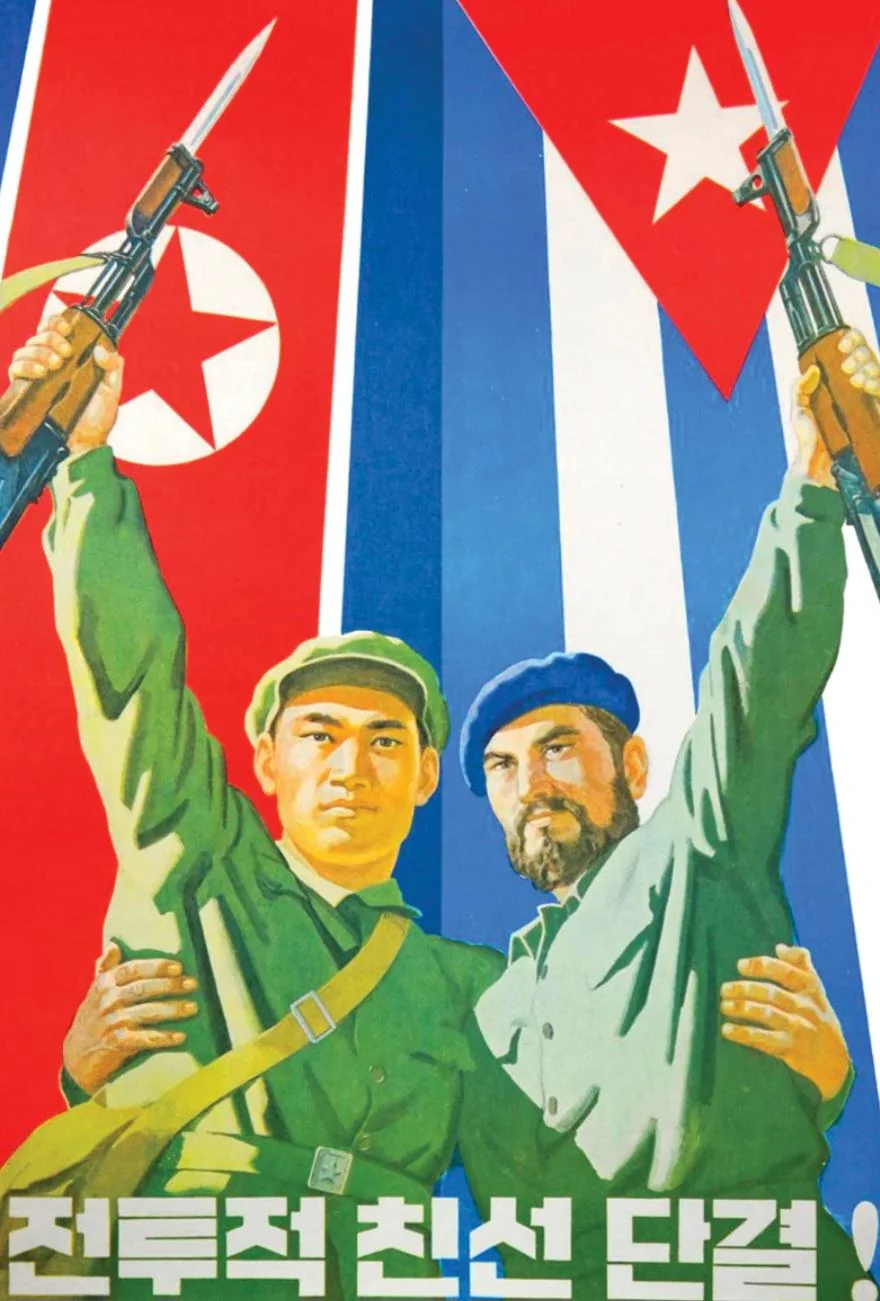
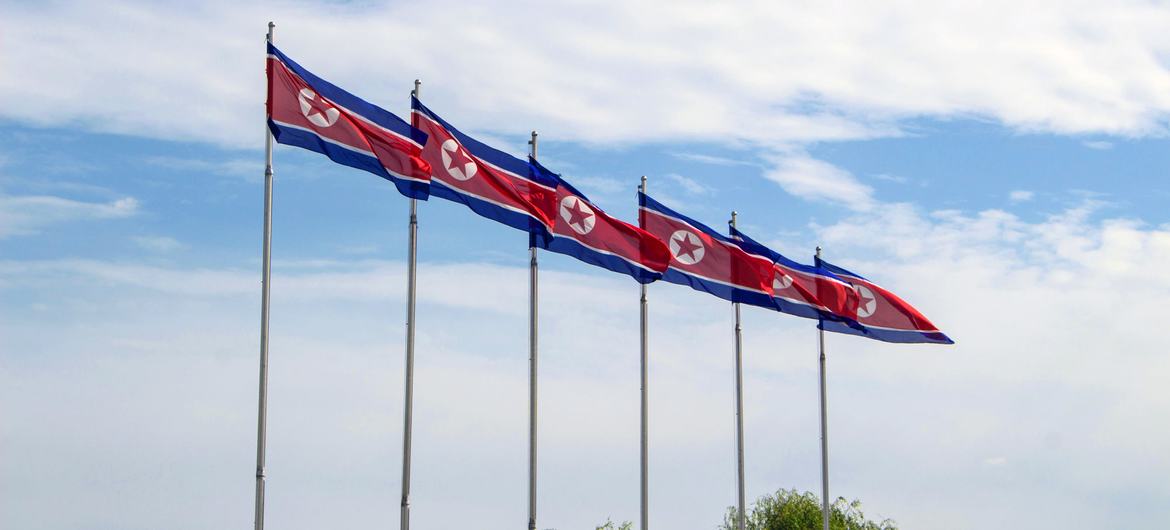
The Proclamation of the Juche Economic Miracle
The North Korean state has officially declared an end to the period known as the Arduous March
The last European colony in Asia officially handed back to China, ending over four centuries of Portuguese administration.
December 20, 1999Session 0
📰
No Articles in Session 1
There are no articles tagged with Session 1 for Asia region yet.
The Afghan Conflict and Regional Security
The Afghan Conflict and Regional Security
December 24, 2001Session 1
Asian Internal Reforms and Leadership Changes
Asian Internal Reforms and Leadership Changes
December 24, 2001Session 1
The Sino-Japanese WTO Standoff
The Sino-Japanese WTO Standoff
December 24, 2001Session 1
The Hainan Island Incident
The Hainan Island Incident
December 24, 2001Session 1
📰
No Articles in Session 2
There are no articles tagged with Session 2 for Asia region yet.
The Palestinian Diplomatic Blitz and Israeli Deadlock
The Palestinian Diplomatic Blitz and Israeli Deadlock
May 20 2004Session 2
Siberia and the Discovery of Blue Gold
Geologists in the Kemerovo Oblast of Siberia have discovered one of the world's most dense deposits of palladium and cobalt
May 20 2004Session 2
The High Stakes Diplomacy of Global Trade
The global trade landscape has shifted as the United States and the United Kingdom have officially thrown their support behind China’s entry into the World Trade Organization.
May 20 2004Session 2
The Shifting Tides of Southeast Asian Sovereignty
Significant political changes are sweeping through Myanmar and the Philippines as traditional power structures are challenged.
May 20 2004Session 2
Martial Law and Espionage in the Indian Subcontinent
Security in South Asia has deteriorated as the Naxalite Maoist insurgency in India rejected diplomacy and called for a war of liberation.
May 20 2004Session 2
The Shadow of Jemaah Islamiyah over Indonesia
Indonesia is reeling from a brutal wave of sectarian and political violence that has struck at the heart of its tourism and local stability.
May 20 2004Session 2
The Proclamation of the Juche Economic Miracle
The North Korean state has officially declared an end to the period known as the Arduous March
May 20 2004Session 2
📰
No Articles in Session 3
There are no articles tagged with Session 3 for Asia region yet.
📰
No Articles in Session 4
There are no articles tagged with Session 4 for Asia region yet.
📰
No Articles in Session 5
There are no articles tagged with Session 5 for Asia region yet.
📰
No Articles in Session 6
There are no articles tagged with Session 6 for Asia region yet.
📰
No Articles in Session 7
There are no articles tagged with Session 7 for Asia region yet.
📰
No Articles in Session 8
There are no articles tagged with Session 8 for Asia region yet.
📰
No Articles in Session 9
There are no articles tagged with Session 9 for Asia region yet.
📰
No Articles in Session 10
There are no articles tagged with Session 10 for Asia region yet.
📰
No Articles in Session 11
There are no articles tagged with Session 11 for Asia region yet.
📰
No Articles in Session 12
There are no articles tagged with Session 12 for Asia region yet.
🌏
Middle East
Missile Deterrence and the Southern Lebanon Strike
As the War on Terror expands, regional powers are signaling their readiness to defend their interests.
May 20 2004Session 2
The Syrian Ultimatum and the Path to Compliance
Following the swift fall of Iraq, the Coalition of the Willing turned its focus toward Damascus.
May 20 2004Session 2
Operation Iraqi Freedom and the Fall of Saddam Hussein
The United States led Coalition of the Willing launched a massive decapitation strike against the government of Saddam Hussein.
May 20 2004Session 2
The Damascus Accords and the French Anti Corruption Shield
In a move that stunned both the West and the Arab world, France and Syria entered into a fifteen year pact known as the Damascus Accords.
May 20 2004Session 2
Regional Power Shifts: Syria and the Axis of Resistance
Regional Power Shifts: Syria and the Axis of Resistance
December 24, 2001Session 1
Internal Palestinian Conflict: Fatah vs. Hamas
Internal Palestinian Conflict: Fatah vs. Hamas
December 24, 2001Session 1
The Quest for Peace: Camp David and the Knesset Deadlock
In the summer of 2000, Prime Minister Ehud Barak and Chairman Yasser Arafat convened at Camp David to finalize the dream of the Oslo Accords.
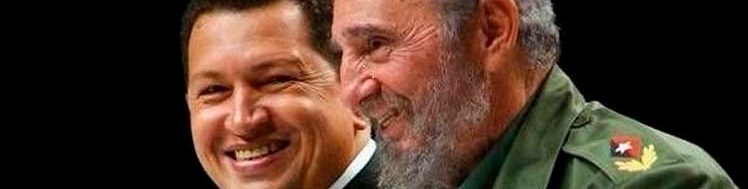
At the dawn of the new millennium, Hugo Chavez addressed the world regarding the need for cooperation in resource mapping. He requested shared civilian satellite data, geological imagery and mapping tools so we can identify potential oil fields within our own borders and plan our futures with knowledge. Chavez framed this as a move toward true sustainability and partnership, allowing nations to understand their resources before moving beyond them. Later, Chavez announced a significant crackdown on cartel activity, specifically targeting FARC elements in western territories using military special forces to combat rising street violence and corruption.
Cuba’s "Operation Nueva Aurora"
Fidel Castro announced the National Program for Agricultural Development, Sustainability, and Productivity or NPADS for short. Chief purposes of this program are to increase domestic food production, reduce the dependence on imported goods, improve the income of the foundation of our society which are the farmers and to create a sustainable agricultural environment. Key measures include:
The First step is to freshly analyze, investigate and catalogue all the state farms and the cooperative farms in the country to determine underperforming areas.
State farms that are found underperforming will be converted to cooperative units that will allow for easier management and understanding of the local area and its needs.
Existing cooperatives that are found underperforming will be given assistance by experts to increase the productivity and the value of the cooperative.
Organopónicos will also be intensified. There are many areas of our cities that are filled with abandonded buildings, parking lots and other large areas. These areas will be converted to large in city gardens focused solely on goods meant for consumption such as potatoes, citrus and cassava.
The Cuban-Venezuelan Historic Treaty
In Caracas, Fidel Castro and Hugo Chavez formalized the "Comprehensive Cooperation Agreement between the Republic of Cuba and the Bolivarian Republic of Venezuela". Cuba committed tens of thousands of medical personnel and the construction of thousands of Barrio Adentro centers with the aim of providing affordable and even free access to health care. In return, Venezuela agreed to provide Cuba with around 60,000 barrels of oil at preferential prices, giving the Cuban people great relief and allowing for the further socialist prosperity of our people.
Colombian Modernization and Global Trade
President Andrés Pastrana Arango pushed for a transition from rural subsistence to an urban, modern economy. He announced that for centuries, our people have subsisted off the land, but no longer will we be working in the dirt. Now is a time to move away from the deep jungles of our nation and instead work to build our cities. He announced new opportunities for investment for the entire world to look upon and will be working to develop construction sectors to help promote this growth. He also initiated his rapid plan to provide free access to education for the people. On the international stage, Colombia signed a trade agreement with the People's Republic of China. The deal facilitates the flow of Colombian oil in exchange for Chinese Steel and Rubber to build new industries of growth.
George W. Bush secured the presidency in a close race against Al Gore. The campaign focused on "compassionate conservatism," which resonated in industrial states. The victory was cemented in Florida, where Bush managed to secure 20,000 more votes than Al Gore across the state handing him a victory large enough that a recount was not brought into play. His administration took office facing a resurging communist movement in Russia and the growing threat of radical organizations and cybercrime.
Prime Minister Jean Chrétien invited Yasser Arafat and Ehud Barak to Ottawa to break the gridlock in peace negotiations. Following a press conference, an assassin attacked Arafat with a needle containing an unidentified toxic concoction. Arafat was rushed to a hospital in stable condition.
Hospital Standoff and Diplomatic Fallout
Internal tensions rose as Canadian and PLO security details secured the hospital. PLO official Tawfik Tirawi expressed suspicion regarding the security breach, questioning if the hit was a Mossad operation. Arafat stated "Canada buys distance... Gaza buys leverage... and I remain a target." He refused to be moved to a military base, demanding instead that Canada recognize Palestinian independence and establish a formal Embassy of the State of Palestine in Ottawa as atonement for the breach.
The Pretoria Summit and the Birth of the African Union
By BNN INTERNATIONAL DESK | December 24, 2001
President Thabo Mbeki called upon leaders of the Organization of African States to meet in Pretoria to further discussions from the Sirte Summit. The goal of the meeting was to create a foundational structure for a replacement body to the OAS and to discuss pressing matters on the continent. President Mbeki stated to the South African press: "It is the firm belief of my administration that it is best for the nations of Africa to work together towards a mutually independent future for each other. We look forward to birthing the African Renaissance together here and now."
Following a formal vote, the nations present agreed to move forward with a new body called The African Union. This body will look after the unified goals of all member states: Solidarity, Mutual Aid, Sustainable Development, Beneficial International Cooperation, and Defense. The union agreed to a series of split capitals to ensure all regions are represented. The Headquarters for the union is in Tripoli, the Court of Justice in Pretoria, the Economic, Social, and Cultural Council in Abuja, and the New Partnership for African Development in Cairo. Brother Leader Muammar Gaddafi announced that what Europe can do, Africans can do better.
The Ivory Coast experienced a significant civil war between the Popular Front government under President Gbagbo and the forces of Guillaume Soro. To support the government, Nigeria, France, Cuba, and Somalia provided military and humanitarian assistance. Nigeria successfully deployed the 1st and 2nd Divisions, which pushed the right flank of the coup forces toward their capital in Korhogo. Nigerian mechanised troops were the first into Korhogo to liberate it, and the leader of the coup, Guillaume Soro, was successfully captured alive.
Following the victory for Pan-Africanism, Nigeria provided 2 billion dollars in economic support to assist in reconstruction and security efforts. France announced a recovery aid package of 5 billion Euro to be sent to the region, while the French Foreign Legion defended settlements caught in the conflict from targeted attacks. In Mali, President Alpha Oumar met with Senegal's President Wade to deepen bonds, citing the Ivory Coast crisis as a wake-up call for partners to watch each other's backs.
President Obasanjo initiated a Domino Theory of reform to resolve increasing unemployment issues. He noted that poverty and instability bred radicalism, violence, and crime, and if he could handle the poverty, that would have a significant impact on other problems. He ordered the Foreign Ministry to reach out to nations interested in expanding business and joint-ventures with the Nigerian National Petroleum Corporation.
To address internal stability, President Obasanjo called for the Nigerian Religious Reconciliation Conference in Abuja. He invited religious and political leaders to reach an agreement ensuring the freedom of religious belief and expression, as well as controls on militia groups associated with religious extremist organisations. Meanwhile, the popularity of the Democratic Socialist Movement of Nigeria increased as a secular socialist counter to other political parties, criticizing the focus on coastal resource extraction rather than high-unemployment areas.
President Aleksander Kwaśniewski announced a new national target for the Republic of Poland: Joining the European Union. Addressing the Sejm, he declared that Poland stands at a historic crossroads and outlined a comprehensive national reform program to meet EU accession standards. The program includes several key pillars:
Rooting Out Corruption: Poland will strengthen the rule of law and reform state institutions.
Revitalising the Armed Forces: Restructuring and professionalising the military to align with Western standards.
Modernising the Economy: Integration with European markets while supporting domestic enterprise.
Rebuilding Infrastructure: Connecting the nation via modern highways, railways, and telecommunications.
In addition to these reforms, Poland confirmed the acquisition of 48 F16s from the United States for 50 billion dollars. Kwaśniewski issued a stern warning regarding the return of the "Red Empire" in the East, noting that the threat is an ideology that has repeatedly proven it cannot coexist with true democracy or independent states. Poland’s economy has notably grown 7 percent in a single year, overtaking Russia in GDP once again.
The Return of Gorbachev and Russian Political Deadlock
By BNN LONDON BUREAU | December 24, 2001
Following a highly contested election marked by allegations of fraud in Russia's ethnic republics, Mikhail Gorbachev secured the presidency with 51% of the vote. This narrow victory for the CPRF candidate signaled a significant shift from the Yeltsin era. However, the administration immediately faced a legislative crisis when the State Duma rejected Gorbachev's initial choice for Prime Minister, Gennady Zyuganov.
To break the stalemate, a dark horse candidate, Yevgeny Primakov, was nominated and confirmed as Prime Minister. This compromise allowed for a coalition government involving the CPRF, Unity, and Fatherland parties. Shortly after taking office, the administration passed the "Law on Strategic Sectors," which created "SovOil," a state-held umbrella entity for energy assets. This framework adopts a model of public-private partnership similar to French Dirigisme, aimed at capturing resource wealth for national development through a new "Future Russia Fund."
The Russian military also saw a major shakeup with the dismissal of Defense Minister Igor Sergeyev. President Gorbachev is currently evaluating successors like Yevgeny Shaposhnikov and Anatoly Kvashnin to lead a modernization program for the 21st century. Despite these reforms, Poland’s President Kwaśniewski has warned of a return of the "Red Empire," noting that Poland has recently overtaken Russia in GDP growth, reaching a 7% annual increase.
Chancellor Gerhard Schröder launched a historic effort to modernize the heart of Europe, arguing that the old "Germany Inc." was no longer fit for the global stage. By slashing corporate tax rates and removing capital gains taxes on industrial cross-holdings, the government aims to allow capital to flow into tech startups and the Mittelstand.
To combat four million unemployed citizens, the government began implementing Agenda 2010. Schröder stated that through the 'support and demand' principle, the government will reward those who seek work and provide the flexibility companies need to compete globally. He clarified that the administration is not dismantling the social state but is instead saving it through difficult labor market restructuring and welfare benefit streamlining. Additionally, the Federal Government officially applied to ban the National Democratic Party of Germany to protect the free democratic basic order.
The Dutch Government passed a landmark bill making the Netherlands the first nation in the world to recognize and legalize same-sex marriage. Amsterdam has become the global center for this movement, with the Labor Party (PvdA) proposing to make gay rights a central focus of European Union membership policy. While the move has 54 percent public support, it has faced criticism from the Roman Catholic Church and conservative Protestant groups. Outgoing Prime Minister Willem Kok called the legislation proof that the Netherlands remains at the forefront of global politics.
France has officially imposed 35 hour work weeks for large enterprises, a reform introduced by the government of Lionel Jospin to increase worker efficiency. However, the nation faces internal challenges as the national debt crossed the 1 trillion mark, leading to tax reforms that sparked large protests in Paris, Bordeaux, Lyon, and Marseille.
On the military front, France outlined a new policy where regular Army units will defend Europe, while Special Units like the French Foreign Legion will serve as a mobile force for overseas deployment. In a tragic turn for the aviation industry, an Air France Concorde crashed near Paris, killing 113 people after striking debris on the runway. Air France has grounded all Concorde aircraft for the time being.
The Mediterranean and Aegean regions have entered a period of intense military and diplomatic activity, driven by a monumental 20 billion dollar defense package for Greece and a deepening crisis in Cyprus. These developments represent a strategic shift as regional actors realign to secure maritime borders and energy interests.
Greek Military Modernization and Energy Security
Athens has executed a rapid "capability leap" through significant equipment transfers from Canada and France. To secure Naval Supremacy, Greece acquired four Iroquois-class guided-missile destroyers from Canada for 16 billion dollars. These vessels, modernized via the TRUMP program, utilize Mk 41 Vertical Launch Systems to provide a high-end air-defense umbrella.
On land, the Hellenic Army has increased its Armored Density with over 110 Leopard 1 tanks (C1/C2 variants) from Canada, allowing for the replacement of aging Patton-era hulls. To ensure Air Superiority, Greece purchased 16 Mirage 2000C fighters from France for 4 billion dollars, strengthening its existing fleet against regional aerial tensions.
Supporting this military buildup is a strategic energy agreement with the Russian Federation. Greece will purchase 0.2 billion dollars’ worth of crude oil weekly via Black Sea and Mediterranean routes to stabilize refinery inputs and ensure fuel security.
The Cyprus Standoff and De-escalation Efforts
Cyprus remains a volatile flashpoint following a UN reunification proposal that prompted a significant deployment of Turkish military units to the border. The move sparked international friction:
Condemnation: Bosnia labeled the deployment "clear aggression."
Recognition: Azerbaijan and the Philippines took the contrasting step of officially recognizing the Turkish Republic of Northern Cyprus as a sovereign state.
To de-escalate, Dutch Prime Minister Ad Melkert brokered a 17-point roadmap for a new constitution based on Swiss and Belgian power-sharing models. This is paired with a joint civilian energy agreement, where Dutch engineers will assist Cyprus in developing civilian nuclear power and modernizing infrastructure to provide stable, cheap energy.
Global Trade Paralyzed as West Reverses Stance on China's WTO Entry
By BNN LONDON BUREAU | December 24, 2001
The international trade order has been thrown into chaos this week as the United States and the European Union effectively withdrew their support for China's accession to the World Trade Organization (WTO). Citing a devastating report from the British Strategic Analysis Unit that labeled the move "industrial suicide," Western powers have pivoted toward a neutral or obstructionist stance.
The EU Council failed to reach the necessary unanimity to move forward, leading to a fierce internal divide between a protectionist Franco-British bloc and a pro-trade German-led faction. In Tripoli, Colonel Muammar Gaddafi denounced the blockage as "economic racism," threatening to establish an alternative trade organization for emerging economies, while Spain has offered to host a crisis summit in Madrid to prevent a total diplomatic collapse.
Nuclear De-escalation Reached at Second Malta Summit
By BNN LONDON BUREAU | December 24, 2001
In a historic meeting echoing the end of the original Cold War, Presidents George W. Bush and Mikhail Gorbachev met in Valletta to sign the START II-M treaty. The agreement marks a significant step in denuclearization, though it comes with a controversial security caveat.
Both nations have agreed to a five-year suspension of their participation in the Anti-Ballistic Missile (ABM) Treaty, a move justified as a necessary measure to counter the rising threat of "rogue states" and global terrorism. The treaty establishes a new framework for strategic stability, though observers note the suspension of the ABM Treaty reflects a hardening of regional security priorities in both Washington and Moscow.
The fragile political stability of the Russian Federation was rocked this week by a massive defection within the State Duma. Thirty-seven hardline deputies of the Communist Party (CPRF) have broken away to form the "Communists of Russia" bloc, accusing President Gorbachev of a "social-democratic betrayal" of Marxist-Leninist principles.
The defectors, led by Viktor Ilyukhin, claim that the current government has become a "protection racket" for oligarchs under the guise of stability. The split forces General Secretary Zyuganov into a desperate political corner, where he must choose between maintaining his power-sharing pact with Gorbachev or siding with the revolutionary hardliners.
Milosevic Shifts Left to Preserve Yugoslav Majority
By BNN LONDON BUREAU | December 24, 2001
The Serbian political landscape has been radically reshaped following a rebellion by the Serbian Radical Party (SRS) and the Serbian Renewal Movement (SPO). Dissatisfied with Yugoslavia's participation in the Balkan Council, these nationalist factions withdrew their support, threatening Slobodan Milosevic's parliamentary majority.
In response, Milosevic has successfully brokered a broader, "Red-Centrist" coalition including the Socialist People's Party and the Alliance of Vojvodina Hungarians. While the new alliance secures his rule for now, the inclusion of parties demanding fairer elections and minority rights suggests a period of significant domestic instability ahead.
As the year is coming to an end preliminary data suggests that France is set to finish the year ahead of the United Kingdom in total economic output, a position it hasn't seen since decades.
Minister of Economy and Finance commented;
"This is an important achievement for France. Surpassing the UK is exciting and our economic policies have helped France reach this point. The next challenge is keeping the economy stable, especially if growth slows down."
Statistics points towards the achievement being possible due to the large investment deals the government has been making throughout the last years. With unemployment at negligeable levels employers are having difficulties in finding workers. GDP growth is expected to slow down beginning from 2002 unless government takes radical decisions in migration.
Visegrád Pact Formed Amid Central European Defense Surge
By BNN LONDON BUREAU | December 24, 2001
The governments of Poland, Czechia, and Hungary have formally established the Visegrád Pact, a new economic and defensive framework designed to bolster regional resilience. The pact's immediate impact is seen in the defense sector, where Hungary has placed a massive order for 250 American F-15C fighters.
This rearmament effort is being supported by the United States through a specialized production program intended to modernize the air capabilities of Eastern European allies. The pact members emphasize that the alliance is not directed at any specific state but serves as a stabilizing force in an increasingly volatile regional environment.
Greece Links Citizenship to Labor in New Immigration Overhaul
By BNN LONDON BUREAU | December 24, 2001
The Greek government has unveiled its "Work to Belong" program, a sweeping policy shift that replaces traditional immigration pathways with a model based on economic productivity. Under the new framework, residency and citizenship eligibility will be strictly tied to verified labor contributions and continuous employment history.
To support the plan, the state will subsidize national airline routes to transport migrant workers directly to regions with labor shortages. Simultaneously, the launch of "Hellenic Strategic Holdings"—a state investment vehicle modeled on Singapore's Temasek—signals a move toward a more corporate-style governance of national assets, drawing both international interest and domestic criticism.
Turkish-Greek Tensions Rise as Cyprus Talks Falter
By BNN LONDON BUREAU | December 24, 2001
Diplomatic efforts to resolve the Cyprus issue have reached a dangerous impasse following a breakdown in talks between Turkish Foreign Minister İsmail Cem and British Secretary Jack Straw. Ankara has warned that any unilateral entry of Cyprus into the European Union would be considered a violation of international law, potentially forcing Turkey to formally integrate the Turkish Republic of Northern Cyprus.
While Republic of Cyprus President Nikos Christodoulides has extended a fresh invitation for direct talks in Nicosia, the rhetoric from Ankara remains hardline, with officials suggesting that the responsibility for a permanent division of the island will lie with the EU.
Libya Invites EU Observers to Witness Direct Democracy
By BNN LONDON BUREAU | December 24, 2001
Following a direct conversation with Jean-Claude Juncker, Colonel Muammar Gaddafi has officially invited European observers from Luxembourg to visit Libya. The visit is intended to provide a "window" into the Jamahiriya system, which Libyan officials describe as a unique form of justice and popular participation distinct from European models.
The delegation is expected to receive full access to state institutions, oil companies, and popular congresses. This outreach comes as Tripoli seeks to shed its "rogue state" image and attract European investment in its vast energy reserves.
The long standing division of Cyprus has reached a historic turning point following intensive negotiations at the Presidential Palace in Nicosia. President Nikos Christodoulides, alongside Turkish Foreign Minister İsmail Cem and Italian Prime Minister Valerio Zanone, finalized a comprehensive agreement aimed at full reunification by 2005. To facilitate this, Cyprus made the strategic decision to withdraw from the Balkan Council, satisfying the requirements of the 1960 Treaty of Guarantee. This diplomatic success has triggered an immediate economic boom; the island’s GDP has climbed to 9.5 billion as the government pivots toward becoming a major energy exporter, recently securing a 2 GW power agreement with Poland. This momentum was solidified at the ballot box, where President Christodoulides won reelection with a commanding 71.2 percent of the vote.
The geopolitical landscape of the Caucasus has been fundamentally altered by a swift and decisive military campaign. Azerbaijan launched a Special Military Operation into Nagorno Karabakh, capitalizing on the economic collapse of the Armenian backed administration and Armenia’s recent withdrawal from the CSTO.
The operation resulted in a total Azerbaijani victory and the reintegration of the territory, though the nation soon entered a period of mourning following the death of longtime leader Heydar Aliyev.
Parallel to these events, Georgia experienced its own political earthquake; the Rose Revolution saw the United National Movement sweep into power with 60 percent of the vote.
Outgoing President Eduard Shevardnadze accepted the results peacefully, paving the way for a new administration that seeks to balance EU aspirations with a renewed dialogue with Russia.
Balkan Resurrection: From Tribalism to Integration
By BNN Staff | May 20 2004
A new era of stability appears to be taking hold in the Balkans as the region moves away from the nationalism of the previous decade.
In Yugoslavia, the tenure of Slobodan Milošević came to an end following massive anti corruption protests and a leftist coalition shift that ultimately saw him transferred to the International Criminal Court.
This move toward unity was mirrored in Bosnia, where a landmark referendum resulted in the three major ethnic regions, Bosnia, Herzegovina, and the Republic of Srpska,
voting to reunify into a single state. Regional tensions were further eased in Athens, where mediation led by the US, Poland,
and Greece successfully resolved the dispute between Hungary and Bosnia, resulting in the lifting of all sanctions and a return to normal economic relations.
The Great Eastward Expansion: Europe’s Frontier Shifts
By BNN LONDON BUREAU | May 20 2004
The European Union has officially expanded its borders, welcoming Poland and Cyprus as full members in May 2004.
This enlargement comes as Estonia and Latvia officially secure candidate status and begin a deeper integration with NATO, despite some internal debate in Latvia over a troubled acquisition of F 18 Hornets.
Simultaneously, Russia is pursuing a strategy of historical reconciliation under President Gorbachev. After stabilizing the domestic economy through state led industrial reforms,
the Kremlin issued a formal apology and billions in reparations to Estonia for Stalin era deportations.
Russia has also officially resumed its bid for WTO membership, signaling a desire to integrate more deeply into the global rules based trading system.
The Desert Diplomat: Gaddafi’s Mediterranean Charades
By BNN Staff | May 20 2004
Colonel Gaddafi has emerged as one of the most unpredictable figures in Mediterranean diplomacy.
After initially sparking outrage with comments suggesting Poland return territory to Germany, he executed a rapid diplomatic pivot by visiting Poland and Auschwitz to normalize relations and propose new energy investments.
This Brotherly diplomacy extends to Western Europe, where Libya has signed major infrastructure and energy deals with Germany and Spain. However,
his style remains eccentric; a recent event in Italy intended as a social gathering for hundreds of models was instead turned into an hours long lecture on Libyan ideology and Islam.
While Israel continues to lobby the EU for harsher sanctions against the Tripoli regime, Gaddafi’s control over vital energy reserves has kept him at the center of regional power dynamics.
The Rural Siege: Britain’s Struggle Against the Plague
By BNN Staff | May 20 2004
Britain remains in the grip of a devastating foot and mouth disease outbreak that has crippled the rural economy and forced the mass culling of millions of livestock.
The government has brought in the army to manage biosecurity and the disposal of carcasses, as entire farming communities face financial ruin.
The crisis has drawn an international wave of livestock diplomacy, with Cuba, Libya, and Hungary offering thousands of animals and veterinary teams to help the UK restock and contain the virus.
Prime Minister Tony Blair has declared the situation a national emergency, though he faces intense domestic criticism over the speed of the government’s initial response and the long term economic damage to the countryside.
The Axis of Evil and the Rise of the Anti Hegemonic League
By BNN WASHINGTON BUREAU | May 20 2004
The global security landscape shifted dramatically following a fiery address by the United States President naming Iraq, Iran, and Syria as a new Axis of Evil.
Washington has leveled heavy accusations against these nations, alleging the proliferation of weapons of mass destruction and the harboring of al Qaeda operatives involved in the September 11 attacks. Syria was specifically accused of using its occupation of Lebanon to foster Hezbollah, while Iran was charged with developing high range missiles and nuclear capabilities.
In response, Bashar al Assad has announced the formation of an Anti Hegemonic League, urging world leaders to resist what he describes as the oppressive ambitions of the American military industrial complex.
Iran has dismissed the claims as a dishonest attempt to rewrite history, pointing instead to its involvement in the Iran Pakistan India peace pipeline and its economic cooperation with Royal Dutch Shell as evidence of its peaceful intentions. Canada has attempted to act as a moderating voice, urging all parties to avoid hardening divisions and offering to host de escalation talks in Cairo.
South America is currently a patchwork of economic reform and violent instability. In Colombia, the government of Andres Pastrana Arango has implemented a 5 percent cut to corporate taxes, a move that critics argue favors wealthy donors while leaving the public to shoulder an excruciating 50 percent tax rate.
This fiscal tension has boiled over into the streets of Bogota, where citizens are demanding better police funding following a rise in crime.
The regional stability was further tested by the Sucumbíos Incident, where a mass grave containing 30 individuals, including children as young as 14, was discovered on the border with Ecuador.
Investigators concluded the victims were FARC members killed on Colombian soil, though the use of advanced weaponry has raised questions about the true culprits. Meanwhile, Brazil has reached a significant milestone as its economy crossed the 1 trillion dollar threshold, bringing the gross domestic product per capita to approximately 5,000 dollars under the newly elected Jose Serra.
In Venezuela, Hugo Chavez has taken the drastic step of canceling Plan Bolivar 2000 during his Christmas address, citing a deep seated corruption scandal that had stained the revolutionary program.
A significant shift in the Middle Eastern peace process occurred as both Canada and Colombia officially recognized the State of Palestine.
The Canadian House of Commons passed a historic vote that led to a successful resolution in the United Nations General Assembly, positioning Ottawa as a central player in international diplomacy.
While Yasser Arafat celebrated the move as a victory for Palestinian dignity, his joy was tempered by a sense of betrayal after the United Kingdom used its veto on the UN Security Council to block full Palestinian membership.
Arafat issued a stinging rebuke to London, mocking the British intelligence services and declaring that the era of global empire is over.
Despite the diplomatic friction, scenes of celebration broke out across Gaza and the West Bank as many Palestinians viewed the recognition as a sign of their growing voice on the world stage.
Chretien’s Global Bridge and the China Canada Alliance
By BNN Staff | May 20 2004
Prime Minister Jean Chrétien has completed an ambitious international tour designed to position Canada as a pragmatic bridge between Western and non Western economies.
The most significant result was the establishment of a strategic partnership and a free trade agreement with China, where General Secretary Hu Jintao praised Canada as a reliable partner in the West.
This agreement provides a stable framework for cooperation even as Chinas entry into the World Trade Organization faces external hurdles.
The tour also extended to Russia, where Canada proposed private sector investments in rail and highway infrastructure, and to Saudi Arabia and Nigeria, focusing on civilian engineering and manufacturing projects.
These initiatives are being framed as commercially driven efforts to promote stability through economic engagement rather than strict political alignment.
Revolutionary Bonds and the Return of Elian Gonzalez
By BNN Staff | May 20 2004
In the Caribbean, the long legal saga of Elian Gonzalez concluded with the child’s return to Cuba after federal agents took him from his Miami relatives.
Fidel Castro celebrated the reunion as a victory over the Miami Mafia, though he notably avoided parading the child as a political trophy, calling instead for the family to be allowed to live in peace.
Beyond this domestic victory, Cuba has deepened its ties with Vietnam through the launch of the Jungles of Freedom military exercises.
This yearly event saw Vietnamese divisions arrive in Cuba to share infantry tactics and motorized unit logistics, focusing on jungle warfare and small squadron initiatives.
The exercises represent a growing bond between the two Marxist Leninist nations as they seek to navigate a world they believe is still shaped by the remnants of Western colonialism.
The Fortress of Security and the Leak of Blueprints
By BNN WASHINGTON BUREAU | May 20 2004
Domestically, the United States has undergone its largest bureaucratic reorganization since the 1940s with the passage of the Homeland Security Act of 2002.
The act passed with a lopsided 90 to 9 vote in the Senate, establishing the Department of Homeland Security as a cabinet level office to consolidate various federal agencies.
This move toward heightened security comes at a time of tension within the defense industry.
Secretary of Defense Donald Rumsfeld has issued a cease of license for military technology following the leak of sensitive blueprints to foreign intelligence agents.
As a result, states like Saudi Arabia and India have seen their access to military hardware frozen, with licenses now reserved only for the closest American allies.
One notable exception is a new partnership between France and the US, where Dassault and Lockheed Martin are collaborating on the Souverain aircraft, a 5th generation fighter based on the F 22 frame that is expected to enter service within the next year.
The Sovereignty of the Sahara: Libya and the African Union
By BNN INTERNATIONAL DESK | May 20 2004
Colonel Muammar Gaddafi has positioned Libya as the primary guardian of African dignity, inviting the African Union to investigate his charitable institutions following Israeli accusations of radicalization.
This move, dubbed the submission to Africa, saw South African Judge Bernard Ngoepe lead an AU observation team into Mali and Tanzania to audit schools and clinics.
While the UN and Israel remain skeptical, Libya has officially declared itself an emerging power on par with India, fueled by rising oil productivity and a strategic naval partnership with Russia.
Domestic research has also shifted toward rare earth elements to ensure long term independence. However, the diplomatic road remains rocky as Poland recently imposed unilateral sanctions on Libya, citing Gaddafi’s inflammatory rhetoric toward NATO.
Altruism Without Borders: The Cuba and North Korea Aid Offensive
By BNN Staff | May 20 2004
A new wave of internationalism has emerged from unconventional sources. Fidel Castro stunned the World Health Organization by committing 10 percent of Cuba’s GDP to foreign aid, launching a massive medical initiative aimed at building university hospitals across Nigeria, South Africa, and Syria.
This program aims for total local sustainability by 2040 through a system of scholarships and permanent medical bases.
Simultaneously, the DPRK has established the Kim Il Sung Foundation for the Protection of Wildlife.
Headquartered in Switzerland and funded with 3 billion dollars, the foundation is led by members of the Kim family and intends to finance environmental protection efforts across the African continent as a gesture of revolutionary responsibility.
The Umlindi Vision: South Africa’s Regional Warden
By BNN Staff | May 20 2004
President Thabo Mbeki has unveiled the Umlindi Initiative, a foreign policy shift casting South Africa as the warden of the continent. Central to this vision is a proposed referendum to bring Namibia into the Republic of South Africa as a special autonomous zone, promising shared defense and development.
Mbeki is also using the AU Court of Justice to address the continental debt crisis, though the initiative saw friction when several nations defaulted.
While South Africa initially resisted external interference, a deal was struck with France to pay off the debts of Madagascar and the Central African Republic to preserve the economic credibility of African institutions.
The 2003 Nigerian elections brought a seismic shift in West African politics with the victory of Muhammadu Buhari and a socially democratic coalition.
Moving away from the Western-centric policies of the previous administration, the new government has signed a historic 20 billion dollar defense deal with China for tanks and artillery.
Beyond military expansion, Nigeria is collaborating with Chinese firms to modernize its power grid and has formed a regional security treaty within ECOWAS to combat the rise of groups like Boko Haram.
This new "Security Bloc" centers on Nigeria as the protector of the region, establishing bases across neighboring states to provide anti-terrorism training and stability.
The Francophone Frontier: Mali and the Path to Integration
By BNN Staff | May 20 2004
Mali is undergoing a rapid modernization phase through deep cooperation with France and Libya.
Under the leadership of Ibrahim Boubacar Keïta, the nation has halved its corporate tax rates to 20 percent and launched a massive education reform subsidized by 200 million dollars from Paris.
Mali is now looking toward total integration with its Francophone neighbors, starting with a comprehensive economic aid package for Senegal aimed at building transport links and food security. While France handles the literacy and debt relief aspects of Malian growth, Libya has stepped in to build a state of the art agricultural center in Timbuktu to fight desertification.
In a move that could redefine the continent's map, Tanzania and Kenya have announced a formal process toward complete unification.
Building on their shared history and the original 1960s dreams of a federation, the two nations are starting a slow but deliberate integration of their political and economic systems.
This historic announcement is intended to create a stable anchor in East Africa, though officials acknowledge that the path to a single sovereign entity will take years of careful negotiation and infrastructure alignment.
The North Korean state has officially declared an end to the period known as the Arduous March, citing a massive expansion of the national economy between 2000 and 2002.
Ri Chun hee announced on state television that national output has surged to 36 billion dollars, driven by improvements in agriculture and the completion of the Huichon Hydroelectric Dam System.
This series of ten dams is expected to produce over 300 megawatts of power, fueling new silk mills and a vehicle factory while signaling a move away from scheduled blackouts.
To solidify this new era of international credibility, the government has fully repaid its outstanding debt to Sweden, an act aimed at presenting the Republic as a reliable economic actor on the world stage.
Indonesia is reeling from a brutal wave of sectarian and political violence that has struck at the heart of its tourism and local stability.
The group Jemaah Islamiyah has claimed responsibility for the Christmas Eve bombings in Jakarta as well as a devastating attack in Bali that killed over 202 people, many of whom were foreign tourists.
President Sudarto has responded by creating a new counter terror unit within the military to address what the group has termed the Indonesian Jihad.
These security challenges are compounded by natural disasters, as Tropical Cyclone Bonnie recently struck West Papua, causing ten billion dollars in damages and claiming hundreds of lives in flash flooding.
Martial Law and Espionage in the Indian Subcontinent
By BNN Staff | May 20 2004
Security in South Asia has deteriorated as the Naxalite Maoist insurgency in India rejected diplomacy and called for a war of liberation.
Prime Minister Vajpayee responded by declaring a state of emergency and moving ten divisions of the Indian Army to hunt the rebels using K1 tanks and armored vehicles in rural eastern regions.
This internal strife coincides with a diplomatic row with Pakistan following the arrest of Rakesh Malhotra, an Indian agent caught in an espionage operation. Meanwhile, in Nepal,
a democratic militia has formed following the royal massacre to challenge the remaining royal forces, with former Gurkha officers providing advisory support to restore civilian rule.
Significant political changes are sweeping through Myanmar and the Philippines as traditional power structures are challenged.
The military junta in Myanmar has announced a gradual withdrawal from governing to allow for civilian rule, though a newly drafted constitution preserves 25 percent of parliamentary seats for the military.
In the Philippines, Vice Admiral Caesar has established a Maritime Service Division that answers only to him, effectively replacing the presidential guards and capital police with marines in a move that has raised concerns about the consolidation of power.
Further south, Vietnam is pursuing a path of liberalization by allowing the entry of Japanese media like anime and games while simultaneously announcing plans to build nuclear power plants to address chronic energy shortages and fuel its special economic zones.
The global trade landscape has shifted as the United States and the United Kingdom have officially thrown their support behind China’s entry into the World Trade Organization.
This move was immediately complicated by Japan, which lifted its block on the entry but imposed a 50 percent tariff on Chinese goods to account for quality gaps and labor standards.
This trade dispute has bled into human rights rhetoric, as China rejected British criticisms of its justice system by highlighting the historical human rights record of the United Kingdom in Northern Ireland.
Colombia has also signaled its support for Taiwan to join the trade organization, further complicating the geopolitical alignment of international commerce.
Geologists in the Kemerovo Oblast of Siberia have discovered one of the world's most dense deposits of palladium and cobalt within an abandoned mine.
This discovery, situated in a region historically known for coal, is expected to add 50 billion dollars annually to the regional economy through the new SibElektrometall company.
While local businessmen are eager to invest in processing facilities for these semiconductor metals, environmental groups are expressing grave concern over the existing levels of pollution and birth defects in the Kuznetsk Basin, leading to calls for stricter remediation efforts.
The Damascus Accords and the French Anti Corruption Shield
By BNN Staff | May 20 2004
In a move that stunned both the West and the Arab world, France and Syria entered into a fifteen year pact known as the Damascus Accords. Under this agreement, France deployed seven thousand troops to Syrian soil and established the Directorate of Anti Corruption Investigation and Enforcement. This new body, staffed by French and Syrian security personnel, wasted no time in launching a high stakes purge of the Syrian government.
High profile figures, including the Minister of Finance and the Director of Military Intelligence, were arrested for embezzlement and alleged ties to al Qaeda.
While Bashar al Assad maintains that this is a partnership of equals aimed at modernization, Israel has condemned the deal as a reckless legitimization of a terror state, while Libya and Cuba have characterized it as a return to nineteenth century colonialism.
Operation Iraqi Freedom and the Fall of Saddam Hussein
By BNN Staff | May 20 2004
The United States led Coalition of the Willing launched a massive decapitation strike against the government of Saddam Hussein.
Utilizing a doctrine of total shock and awe, the coalition fired hundreds of cruise missiles into Baghdad’s government district to minimize infrastructure damage while dismantling the Baathist command structure.
This invasion followed Iraq’s controversial decision to declare September 11 a national day of triumph. With Saddam captured and a Polish occupation zone established to stabilize the interior,
the victory in Iraq has significantly bolstered President George W. Bush’s standing as a commander in chief. However, the move has also caused regional ripples, with Iran immediately increasing border protection and Syria initially condemning the unilateral use of force.
Following the swift fall of Iraq, the Coalition of the Willing turned its focus toward Damascus.
The United States issued a thirty day ultimatum demanding that Syria provide a complete account of its chemical weapons stockpiles and cease all support for Hezbollah. Despite initial defiance,
President Bashar al Assad ultimately agreed to the terms of the vetoed UNSC resolution to avoid a military intervention.
Syria has pledged to transfer its Soviet era chemical weapons to Russia and has granted OPCW inspectors unimpeded access to its facilities.
This compliance comes with the caveat of Russian security guarantees, marking a major diplomatic win for the Bush administration while keeping a fragile peace on Israel’s northern border.
The Palestinian Diplomatic Blitz and Israeli Deadlock
By BNN Staff | May 20 2004
Yasser Arafat has undertaken an unprecedented international tour to secure the legitimacy of the Palestinian state.
While in the United States, Arafat announced free and fair elections that resulted in a grand coalition between Fatah and the PFLP.
His campaign for recognition saw major success as Luxembourg, Spain, Belgium, and several Baltic nations formally recognized Palestine as a sovereign state.
This diplomatic surge has put immense pressure on Israel, where Prime Minister Ehud Barak’s coalition remains deeply fractured over the Camp David Accords.
While the OIC has officially endorsed the accords, the Israeli Knesset is caught in a deadlock between those wishing to pursue peace and hardliners like Likud who advocate for renewed security oversight in the West Bank and Gaza.
Missile Deterrence and the Southern Lebanon Strike
By BNN Staff | May 20 2004
As the War on Terror expands, regional powers are signaling their readiness to defend their interests.
Iran recently conducted a ballistic missile test into the Arabian Sea as a direct warning against Western threats to its allies, with Pakistan following suit with its own pre planned test near the Afghan border.
In immediate retaliation for the Iranian escalation, the IDF authorized a precision airstrike against Hezbollah financial hubs in Southern Beirut, marking the first major Israeli air operation in Lebanon since 2001.
These military displays underscore the "eye of the storm" atmosphere, where a single miscalculation could ignite a broader regional conflict despite the recent successes in Syrian diplomacy.
OPINION: Europe's Energy Enigma: Gorbachev, Gaddafi, and the Quest for Sustainability
Dr. Mullard | December 24 2001
The European Union held a landmark discussion a few months ago that went relatively unnoticed by the world press. The heads of state of the fifteen member nations gathered in Brussels for a special summit to discuss a number of issues. While new rules and regulations were agreed to, there were two side issues that were discussed at great length that would prove to have long lasting effects on European affairs. The topic was energy and this little-known conversation piece will come to animate the halls of European power for decades to come. The return of Mikhail Gorbachev to power in the Russian Federation has generated a lot of unease in Western capitals. Despite Mr. Gorbachev’s repeated insistence that the Soviet Union is gone and isn’t coming back, the mood in Brussels wasn’t optimistic.
Enter German Chancellor Gerhardt Schroeder and Dutch Prime Minister Willem Kok. Between the two of them there was a relatively ambitious proposal. There were large oil reserves just across in the Mediterranean in Libya and expansive natural gas deposits in nearby Iran. Both nations are currently under extensive sanctions and, thus, relatively untouched by foreign investors. More intriguing still, both Tripoli and Tehran are opting for reformist directions. Libyan leader Muammar al-Gaddafi and Iranian President Mohammad Khatami have both signaled an eagerness to work with Western Governments. Thus, an opportunity presented itself. If the European Union could end sanctions on Libya, already advocated by Gaddafi’s recent marathon diplomatic campaign, then a gracious Colonel Gaddafi would open his nation’s energy reserves up to the European Union. Although Schroeder's views would change in time, Amsterdam would come to see this strategy as paramount.
Image
Image
Suddenly an alternative to a worrying Russia was not only viable, it was close by. And if it could work with Libya then there was every reason to suspect that Iran could be included. Dutch and German diplomats spoke in favor of reproachment with Tripoli and advocated in favor of recent efforts by these formerly rogue actors to shed their radical images. Ultimately, concerns about human rights and democracy clouded out the desires for economic independence. But the dream didn’t die in Brussels that day.
The prospect of a Russia that could potentially entrap Europe to its resources has long haunted policymakers. However, prior to Gorbachev’s election they were mostly confined to Washington. With Gorbachev’s return, unease has returned with him. And with each assurance and promise of cooperation the unease grows. Gorbachev speaks of dialogue and change, but for many European leaders they see only the Soviet Union. And for Dutch politicians in particular the idea of a resurgent Communist hegemon on the continent is sparking a dramatic shift in Dutch foreign policy. Efforts to resolve tensions among NATO members, particularly the ongoing Cyprus Issue, are taking center stage to allay Dutch anxieties about Russia.
Image
And while the Dutch paranoia seems out of place, the economics of the decision to diversify resources are actually quite sound. European investments into alternatives could allow the continent to spread its economic influence across wider portions of the globe and generate positive growth for North Africa and the Middle East. Libya is already anticipating such a shift. Gaddafi, long derided as a quack by many, is far cleverer than he appears. Libyan diplomats have strategically targeted those European nations that are either very energy hungry or have established energy sectors that could benefit from an easing of sanctions. Royal Dutch Shell, eager to gain contracts, was able to successfully lobby the Dutch Government to ease economic and financial sanctions on Libya to such an extent that limited commercial talks could begin. Gaddafi, for his part, has been actively cultivating ties with Dutch business and political leaders. Tripoli is due to host a major Dutch delegation in the coming weeks.
But Libya isn’t the only isolated energy state that has used the European anxiety over Russia to its advantage. Iran has been relatively cut off from global markets in the aftermath of its 1979 Revolution. However, the election of Reformist Mohammad Khatami has seen the Islamic Republic opt for a more moderated stance, particularly towards Europe. The move hasn’t gone unnoticed. Royal Dutch Shell, yet again, has been conducting negotiations with Iranian officials about the possibility of investing into Iranian refineries and jointly exploring natural gas deposits in Iranian waters in the Caspian Sea. For Tehran the election of Gorbachev is proving to be a financial lifeline at a time when international sanctions are starting to strain aspects of the nation’s economy.
Image
Image
Russia isn’t sitting idly by while this is happening. The Gorbachev Administration is acutely aware that as long as Europe remains uneasy about a looming threat it jeopardizes Moscow’s commercial interests. Russian diplomats have feverishly reached out to partners in Germany and Greece to explore the possibility of joint European Union-Russian dialogue on a range of issues. Moscow has proposed joint ventures in the Baltic Sea, cooperation on resolving issues between Russia and the various European states, and maintaining and abiding by the Conventional Forces agreement on the continent. For Russia the game is to keep its Western European partners at ease and prevent them from turning to NATO. A Europe that views Moscow as a threat won’t buy Russian gas or resources and might instead prompt Moscow to invest precious resources in confronting an expanding NATO. And it's yielding results. Schroeder has been won over in recent negotiations with Russia on pipelines.
But the ultimate question remains as to whether or not these voices advocating for energy independence will be able to achieve lasting effects on EU policy. The problem that Iran and Libya face when compared with Russia stems from questions of democracy and human rights. Gorbachev may not be perfect to European leaders, but his regime is much more democratic than that of Gaddafi’s Libya or the Islamic Republic in Iran. Though Libyan and Iranian officials often protest at their respective nations’ exclusion from Western definitions of democracy, the reality is that for the EU, liberal democracy has a very narrow definition. But the ultimate question is which narrow definition is more important? Liberal democracy…or economic independence?
The Sino-Japanese Impasse: the possible consequences of Geoeconomic Fragmentation postulated
Dr. Aris Vrettos | December 24 2001
As we convene in this "Age of Competition," the global trade architecture finds itself at a historic
inflection point. The ongoing deadlock between Tokyo and Beijing, once framed primarily by the
Senkaku Islands dispute, has evolved into a systemic debate over the very rules of international
accession.
At the World Economic Forum, we have long tracked the rise of "Geoeconomic Confrontation" as a
top-tier global risk. The current standoff represents the ultimate manifestation of territorial security
clashing with economic integration. The World Economic Forum seeks not to pick any side in the
current conflict, it only wishes to outline the possible outcomes of a continued stalemate on the
matter
The Stalemate: Sovereignty and "The Testing Period"
The Senkaku/Diaoyu impasse has served as a textbook case of the weaponization of trade. However,
recent diplomatic notes reveal a new, more granular layer of conflict: the Japanese proposal of a
"testing framework."
Tokyo maintains that China’s transition from a planned economy requires a "careful verification"
period to ensure commitments on labor, subsidies, and product standards are enforceable. Japan has
expressed "disappointment" that Beijing has relied on international diplomatic pressure rather than
engaging in these technical simulations. Tokyo has set a final horizon, promising to lift its reservation
no later than January 2003, provided "sincerity" is demonstrated.
Beijing’s rebuttal is categorical: The deal is on the table, and the clock is ticking. Chinese officials
argue that all WTO-relevant matters—including unprecedented concessions on market access and
transparency—are settled. They view Japan’s "testing period" as an extra-legal invention with no
standing in WTO precedent. Most provocatively, Beijing points to Japan’s support for the earlier
accession of "Chinese Taipei" (Taiwan) as evidence that the process has been "politicized" to contain
China's rise.
As it stands, neither side seems willing to budge. What could the consequences of China not joining the WTO be?
The Counterfactual: A World Without China in the WTO
If this impasse leads to a permanent exclusion of China from the WTO, we are not looking at a mere
"delay" in growth, but a fundamental "economic reckoning." Our modeling suggests several
catastrophic shifts in the global landscape:
1. The Stagnation of the "Middle Kingdom"
Without the "Golden Seal" of WTO membership, China’s domestic reform agenda faces an
existential threat.
a. The State-Owned Enterprise (SOE) Trap: Currently, the "reformist" wing of the
Chinese Communist Party is using WTO entry as leverage to dismantle thousands of
inefficient state-run factories. If accession fails, we hypothesize a "Hardliner
Resurgence." China may retreat into a top-heavy, state-directed model, stifling the
productivity gains seen in the late 1990s.
b. Capital Shyness: Foreign Direct Investment (FDI), which reached $40 billion last year,
could crater. Without the legal certainties of a WTO framework, international firms
may view China as a "political minefield" rather than a manufacturing hub, preferring
the stability of established markets like Mexico or the Asian Tigers.
2. The Inflationary Cost to the Western Consumer
The West has spent the last five years anticipating a "deflationary boom" driven by low-cost
Chinese imports. If China remains an outsider:
a. Higher Household Costs: We hypothesize that Western consumers will face
significantly higher prices for electronics, textiles, and household goods. Without the
removal of MFA (Multi-Fiber Arrangement) quotas on Chinese apparel, the "WalMart effect" of falling prices may never materialize.
b. The "India-Vietnam Shift": Trade will not stop; it will divert. However, other
developing nations currently lack the infrastructure to match China's scale. This
transition period could be defined by years of supply chain volatility and persistent
consumer inflation, until at some point stabilization occurs
3. The Geopolitical "Clock" Resets
The most chilling hypothesis is the return to "Annual Brinkmanship."
a. Trade Wars by Decree: Without the WTO’s Dispute Settlement Body, trade between
the US and China would remain subject to annual political reviews in Washington and
Beijing. We foresee a cycle of "mini-trade wars" over human rights, currency, and
maritime claims that could destabilize global markets every summer.
b. The Credibility Crisis: Can the WTO truly call itself a "World" organization if 1.3 billion
people are excluded due to a dispute over a few uninhabited rocks? A failed
accession would mark the beginning of the end for the WTO’s dream of a universal
trade language.
The Path Forward: From Confrontation to Cooperation
The current dispute is a stark reminder that the current path towards increased globalization is at an
inflection point. However, the future is not a fixed path. It is a range of decisions we make today.
The "spirit of Davos" has always been founded on the belief that stakeholders can build common
ground even amidst profound disagreement. For the global economy to remain resilient, we must
provide both parties with a suitable solution.
If we fail to bridge this divide, we risk entering a "stormy" decade of uncertainty due to the alteration
of course away from globalization and towards fragmentation. The World Economic Forum has always
seen increased globalization as a ‘game without losers’, but must also state that it does not know or
understand the long-term consequences of treading a different path which could, after a short-term
economic deterioration, prove more durable.
A major diplomatic crisis erupted on December 23 when a United States EP-3 reconnaissance plane collided with a Chinese fighter jet. The Chinese pilot was killed, and the crippled U.S. aircraft was forced to make an emergency landing on Hainan Island without permission.
The Chinese Foreign Ministry blamed the United States for violating flying regulations. The U.S. released video footage claiming Chinese fighters had been harassing their routine missions in international waters. The standoff was defused after U.S. Ambassador Joseph Prueher delivered a letter stating the U.S. was "very sorry" for the death of the pilot and the unauthorized landing. China subsequently released the 24 crew members on humanitarian grounds after taking their testimonies.
Negotiations for China’s entry into the World Trade Organization have reached a stalemate. While the United States and several European and Latin American nations support China’s accession, Japan remains the sole country maintaining a formal blockage.
The Japanese Position
Japan requires several conditions to be met before lifting its reservation:
"Japan has made clear that trade cannot be separated from security. Continued aggressive rhetoric regarding the Senkaku Islands has a direct effect on trade confidence. Japan also requires the end of Chinese state subsidization of foreign owned factories and a defined testing period to verify product safety and labor standards."
The Chinese Response
China maintains that it has already made all necessary concessions:
"The agreement is ready, the terms are clear, and the deal remains on the table awaiting signature. China has accepted stipulations regarding labor protections, state subsidies, and even the demilitarization of the Diaoyu Islands. Japan’s insistence on indefinite testing periods outside established WTO practice is an attempt to transform a rules based process into a discretionary one."
Amidst this tension, Taiwan has announced it will pursue WTO membership as a separate customs territory. Japan has officially sponsored Taiwan’s application, while Colombia has expressed opposition, stating that Taiwan’s entry is a political move that threatens regional stability.
Japan is mourning the passing of Prime Minister Keizō Obuchi following a severe stroke. He has been succeeded by Yoshiro Mori. In a major diplomatic move, Japan has agreed to a 50 billion dollar investment program in Pakistani infrastructure, with the Obayashi Corporation leading construction efforts for ports and power links.
The Korean Reconciliation
During a historic summit in Pyongyang, President Kim Dae-Jung agreed to provide South Korean agricultural assistance to alleviate North Korean food shortages. In exchange, Kim Jong Il agreed to halt all missile tests for two years. President Kim Dae-Jung has been nominated for the Nobel Peace Prize for these efforts.
Southeast Asian Shifts
Indonesia: President Wahid was impeached and replaced by Tysano Sudarto, a military leader. The new administration secured a 100 billion dollar bond package from Japan to stabilize the economy.
Vietnam: The government authorized the creation of Special Economic Zones to attract foreign investment, utilizing a model that combines capitalist growth with socialist collectivism. Vietnam also approved a moderate military intervention in the Congo to assist the government against Rwandan forces.
Philippines: President Estrada resigned amidst corruption scandals. He was succeeded by the Party of Political Reform for the Philippines led by Admiral Caesar Taccad.
The Quest for Peace: Camp David and the Knesset Deadlock
By BNN INTERNATIONAL DESK | December 24, 2001
In the summer of 2000, Prime Minister Ehud Barak and Chairman Yasser Arafat convened at Camp David to finalize the dream of the Oslo Accords. Despite Arafat’s public commitment to peace and the formal signing of the Israeli-Palestinian Mutual Recognition Agreement, the path forward is heavily obstructed.
Israeli Deadlock: The Knesset has rejected a review of the treaty. Orthodox factions and opposition leaders, led by Ariel Sharon, cite severe security concerns, effectively stalling the ratification process.
The Saudi Breakdown: Diplomacy between Israel and Saudi Arabia collapsed after King Al-Saud refused to recognize Jewish heritage in the Levant. This has emboldened the Israeli opposition to demand security through arms rather than "pieces of paper."
Lebanese Buffer: In response to the rising power of Hezbollah, Israel passed the Southern Lebanese Fighters Act, offering refuge to Lebanese citizens fearing persecution.
The peace process has triggered a violent schism within Palestinian territories. While the West Bank shows a gradual trend toward secular liberalism under Fatah, Gaza has descended into a localized civil war.
The Execution of Ahmed Yassin: Following a Hamas-led protest, a "People's Court" organized by the PFLP (Popular Front for the Liberation of Palestine) executed Hamas leader Ahmed Yassin.
Gaza Street Fighting: Hamas cells have risen in retaliation, engaging in fierce street battles with the Red Front (a coalition of communist and leftist groups).
The Red Front's Call: The PFLP has called for "International Brigades" of workers to join the fight in Gaza, framing the conflict as a proletarian revolution against both "Israeli Bourgeoisie" and "Iranian Imperialist" proxies.
Regional Power Shifts: Syria and the Axis of Resistance
By BNN INTERNATIONAL DESK | December 24, 2001
Under the leadership of Bashar al-Assad, Syria has pivoted away from Western-style liberal reforms, moving closer to Iran and the Axis of Resistance.
Gates to the Middle East: This new Syrian initiative invites emerging powers like China and India to gain regional leverage in exchange for debt bailouts and military protection. This move aims to balance U.S. unipolarity.
Iranian Support: Iran has provided $20 billion to stabilize Syrian debt and officially welcomed Syria into the Axis of Resistance to counter "American Imperialism."
Rhetorical Warfare: Syria and Libya have condemned what they term "U.S. hypocrisy," while Israel has accused the regimes in Baghdad, Tripoli, Damascus, and Riyadh of complicity in the recent terrorist attacks on U.S. soil.
In a significant policy shift, Pakistan has announced its support for the Northern Afghan Alliance. Following long deliberations, the Pakistani government determined that the civil war disturbs the region as a whole and recognizes the Northern Alliance as the real governing body of the nation, labeling the Taliban as secessors. Pakistan will send a government backed force to support the Alliance.
Simultaneously, President Gorbachev of Russia authorized an airlift to the Afghan Northern Alliance involving over 50 Ilyushin Il-76 aircraft. These flights are scheduled to land at Bagram Airport, carrying Russian military surplus to arm the forces of Ahmad Shah Massoud.
Following the opening phase of Operation Enduring Freedom, Pakistan has entered a state of National Security Alert. Multiple Taliban and Al Qaeda elements fled Afghan border regions into Pakistani territory. President Pervez Musharraf stated: "Pakistan will not allow its territory to become a refuge for terrorists fleeing justice. Those who have entered to hide, reorganise, or plan further violence will be pursued relentlessly. They will be hunted down, dismantled, and brought to justice."
Edit the current poll question and options displayed on the homepage.
Current Poll Preview
Will the Camp David Accords be finalized?
○ Of Course!
○ It Could happen
○ Uncertain
○ It will never happen
Breaking News Ticker
Manage the scrolling headlines that appear at the top of the page.
Current Ticker Preview
+++ Y2K Bug: World systems remain stable as the new millennium begins +++ Boris Yeltsin resigns as Russian President, names Vladimir Putin as acting leader +++ Panama Canal officially transferred to Panamanian control after 85 years +++ Global markets to reopen Monday after millennium transition
Latest Updates (Right Sidebar)
Manage the scrolling latest updates that appear in the right sidebar.
Headline
Time
Link To
Actions
Y2K transition complete with minimal issues worldwide
12:00 GMT
y2k
Putin assumes Russian presidency after Yeltsin resignation
11:30 GMT
yeltsin
Panama celebrates canal handover
11:00 GMT
panama
Israel-Syria peace talks continue in Washington
10:30 GMT
israel
Eiffel Tower light show dazzles Paris
10:00 GMT
eiffel
Fighting continues in Grozny
09:30 GMT
chechnya
Add New Update
Quick Links Content Management
Add articles and content to the Quick Links pages (The Briefing, Interviews, Columnists, etc.)
✍️ Opinion Columnists
Current Articles in this Section
Title
Author
Date
Actions
OPINION: Europe's Energy Enigma: Gorbachev, Gaddafi, and the Quest for Sustainability
Dr. Mullard
December 24 2001
The Sino-Japanese Impasse: the possible consequences of Geoeconomic Fragmentation postulated
Dr. Aris Vrettos
December 24 2001
Add New Content to this Section
Most Read Articles
Manage the "Most Read" section in the right sidebar. Drag to reorder.
#
Article Title
Article ID
Actions
1
The Return of Gorbachev and Russian Political Deadlock
gorbachev1
2
The Quest for Peace: Camp David and the Knesset Deadlock
campdavid
3
Germany and the Restructuring of the Social State
agenda2010
4
The Pretoria Summit and the Birth of the African Union
Set the displayed date throughout the BNN site. This affects the header date and the millennium banner.
Current Display Date
Millennium Banner
Preview
Saturday, December 24, 2001
Saturday, December 24th, 2001
Homepage Sections
Manage which articles appear in the Lead Story, Top Stories, and More Headlines sections on the homepage.
⭐ Lead Story (Featured)
The main featured story with image that appears at the very top of the homepage.
Override the selected article's image with a custom image for the lead story.
📰 Top Stories (6 articles)
These articles appear in the main news grid at the top of the homepage.
📋 More Headlines (3 articles)
These articles appear in the secondary news grid below Top Stories.
Preview
Click UPDATE HOMEPAGE to see changes on the live site.
Change Log
Track all changes made in the admin panel. Unpublished changes (○) will be committed when you click "Publish to Netlify".
Recent Changes✓ = Published | ○ = Pending
○Poll updated 1/26/2026, 2:00:41 AM Question: "Will the Camp David Accords be finalized?"
⚙️ Setup Instructions
To enable auto-publishing, add a GITHUB_TOKEN environment variable in your Netlify dashboard:
1. Go to GitHub Settings → Personal Access Tokens
2. Create a token with repo permissions
3. In Netlify: Site Settings → Environment Variables → Add GITHUB_TOKEN